


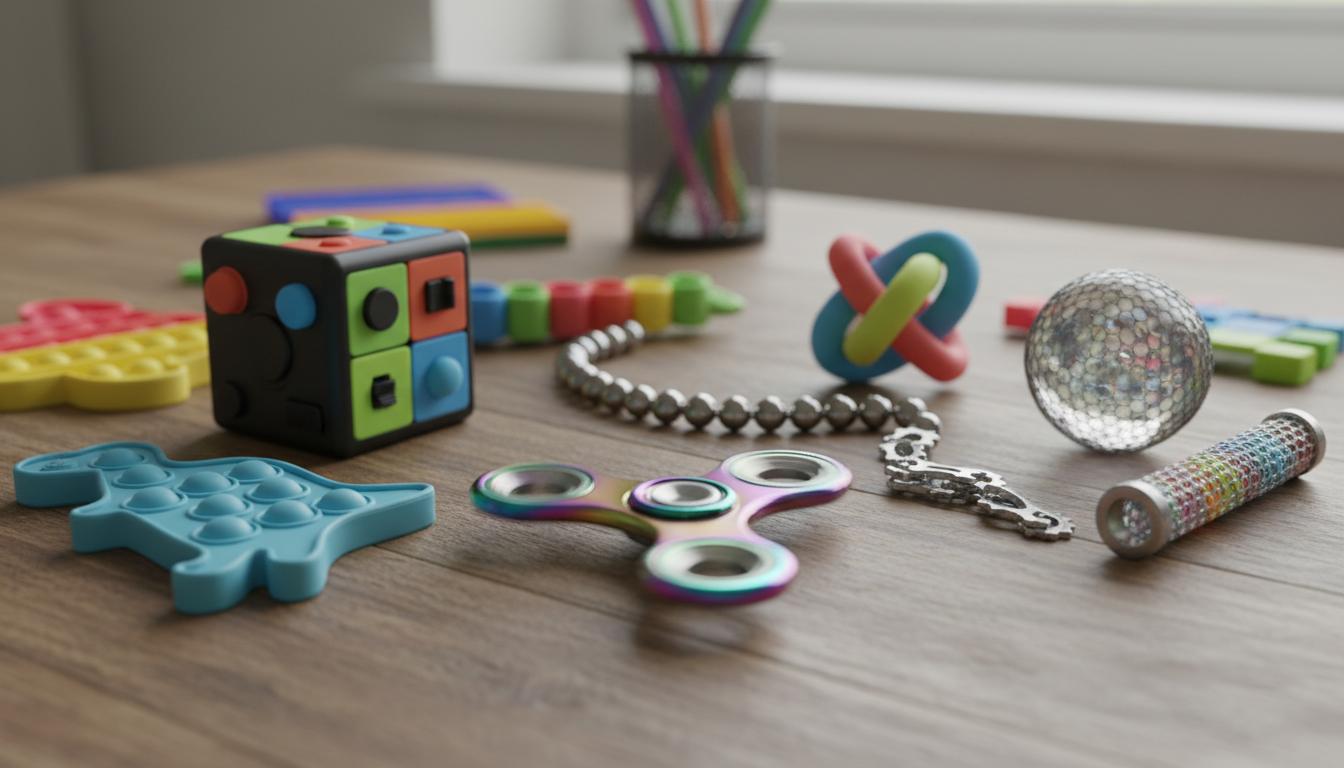
Fidget toys in New Zealand: practical picks for focus, calm, and busy hands
Fidget toys have slipped into classrooms, offices, and home study nooks across Aotearoa for a simple reason: for many people, moving a little helps the mind settle a lot. A quiet spinner, a soft stress ball, a clicky cube—small tools, big difference. Used well, they can take the edge off restlessness, lift focus, and make long tasks easier.
This guide breaks down what fidget toys are, how they work, the best types for different needs, and how to choose one that suits New Zealand life—classroom rules, open-plan offices, and all. You’ll also find pros and cons, a quick-start method, a comparison table, and a clear FAQ.
What is
Fidget toys are small objects designed for safe, repetitive movement you can do with one hand. They offer tactile, visual, or movement-based feedback—pressing, spinning, squeezing, rolling, or stretching. The goal is not to distract, but to channel excess energy so your brain can focus on the main task.
People who use fidget toys include students, office workers, gamers during load screens, people who travel on buses or trains, and neurodivergent folks who benefit from sensory input. They’re not medical devices or cures; they’re simple tools that may help with self-regulation and attention.
Good fidget toys are:
- Small enough to keep in a pocket or pencil case
- Durable and safe—no sharp edges or fragile parts
- Appropriate to the setting—quiet for class, subtle for meetings
How it works
The short version: a little movement can free up attention. Many people have a baseline of restless energy. When it has nowhere to go, the urge to tap, doodle, or drift can compete with the task at hand. A fidget toy gives that energy a place to land.
What’s happening under the hood:
- Tactile feedback: Touch signals from skin and joints help the nervous system regulate arousal levels. Textures and resistance can be soothing.
- Proprioception: Squeezing or rolling provides “where-is-my-body” input that grounds you, especially in long sitting sessions.
- Rhythm and repetition: Steady, predictable movement can settle the stress response and reduce mental noise.
- Attention balance: A small, controlled motor task occupies just enough bandwidth to reduce impulsive distractions, without hijacking focus.
That said, the match must be right. A loud clicker in a quiet classroom won’t help anyone. The best fidget toys feel satisfying to you, and barely noticeable to others.
Types / examples
Quiet and discreet
- Fidget rings and spinner rings (silent, wearable)
- Textured worry stones (smooth or ridged)
- Soft stress balls or mesh squeeze balls
- Putty or therapy dough (odourless, firm)
Tactile and sensory
- Pop-it boards and simple dimples (silicone bubbles)
- Tangle toys (linked curved pieces)
- Marble-in-mesh sliders
- Chewable pendants or pencil toppers (for oral sensory needs; food-grade silicone)
Movement-based
- Fidget spinners (balanced bearings)
- Roller bars and fidget sticks (desk-friendly rolling)
- Magnetic rings or beads (smooth glide)
Visual or weighted
- Liquid timers (slow visual flow; not for exams)
- Weighted lap pads or shoulder wraps (sensory support at home)
Comparison table (noise, use case, price in NZ)
| Type | Best for | Noise level | Portability | Typical NZ price | Clean-up |
|---|---|---|---|---|---|
| Fidget ring (spinner/slider) | Meetings, exams, public transport | Silent | Wearable | $10–$30 | Wipe with alcohol swab |
| Stress ball / mesh squeeze | Hand strength, grounding | Silent | Pocketable | $4–$15 | Mild soap; air dry |
| Putty / therapy dough | Quiet kneading, desk work | Silent | Small tub | $5–$15 | Wash hands; keep sealed |
| Pop-it / simple dimple | Repetitive pressing | Low (some pop) | Flat, light | $4–$15 | Dish soap; rinse |
| Fidget cube | Variety of actions | Low–medium (clicks) | Pocketable | $6–$20 | Wipe clean |
| Fidget spinner | Smooth motion, timing breaks | Low (bearing hum) | Pocketable | $5–$25 | Wipe; oil bearings lightly |
| Magnetic rings/beads | Finger dexterity | Low | Pocketable | $8–$20 | Wipe; keep away from small children |
| Chewable pendant | Oral sensory needs | Silent | Wearable | $15–$35 | Hot soapy water |
| Weighted lap pad | Home study, reading | Silent | Bulky | $40–$120 | Check care label |
Prices vary by retailer and materials; shop around and check reviews.
Pros and cons
Pros
- May improve focus by channelling restlessness
- Can lower stress and muscle tension during long tasks
- Supports sensory regulation for some neurodivergent people
- Helps break habits like nail-biting or pen-clicking
- Portable, affordable, and simple to use
Cons
- Wrong choice can distract you or others (noise, flashing lights)
- Cheap toys can break and become clutter—or hazards
- Over-reliance without strategy may not help focus
- Some classrooms and exams have rules; always check first
- Small parts can be a choking risk for children under 3
How to use or choose
How to use a fidget toy effectively (step-by-step)
- Pick the right setting: choose a silent, subtle toy for class or meetings.
- Set a purpose: “I’ll squeeze this while reading this chapter” or “during the team update.”
- Keep movement minimal: below the desk, in your lap, or by your side.
- Match the rhythm to your task: slow and steady for deep work; brief bursts for breaks.
- Check in after 5–10 minutes: better focus or more distracted? Adjust or swap.
- Pair with good habits: short breaks, water, posture, and lighting.
- Respect the room: if anyone seems distracted, switch to a quieter option.
How to choose the right fidget toy
- Context first: For schools and open-plan offices in New Zealand, quiet and discreet beats flashy every time.
- Sensory preference: Do you like soft squish, firm resistance, smooth metal, or clicky parts? Try a few textures.
- Noise tolerance: If you’re unsure, pick silicone, fabric, or rings over clickers.
- Size and portability: Pocket-sized for everyday carry; larger weighted items for home.
- Durability: Look for thick silicone, solid bearings, or metal components. Cheap plastic tends to crack.
- Safety: For children, avoid magnets and small parts; check age ratings. In NZ, toys should comply with AS/NZS toy safety requirements.
- Cleanability: Silicone and metal wipe clean; putty needs clean hands and a sealed tub.
- Budget and value: One solid, well-made fidget toy can outlast a handful of bargain buys.
Classroom and exam considerations (NZ)
- Ask first: Teachers and schools set their own guidelines. Quiet items that stay below the desk are usually more acceptable.
- Exams: Most NZ exam rooms restrict items on the desk. If you need a fidget for access reasons, talk to the school about arrangements ahead of time.
- Sharing: Fidget toys are personal sensory items; avoid swapping in class to prevent distraction and hygiene issues.
Where to buy in New Zealand
- Major retailers: The Warehouse, Kmart NZ, Whitcoulls
- Online: Mighty Ape, office suppliers, and NZ-based sensory stores
- Local makers: Markets and small businesses often sell durable silicone or wooden options
- Pharmacies and bookstores: Good for stress balls, putty, and simple tools
Check reviews, materials, and return policies. If shopping for a child, confirm age suitability and magnet safety.
Care and hygiene tips
- Silicone: Wash with warm soapy water; rinse and air dry.
- Metal rings and spinners: Wipe with alcohol; keep dry to protect bearings.
- Putty: Store sealed; keep away from fabric and carpet.
- Shared spaces: Clean fidget toys regularly, especially after school or commuting.
- Repairs: If a toy cracks or leaks, recycle or dispose safely—don’t hand it down.
FAQ
Do fidget toys actually help with focus?
They can help some people by giving restless hands a quiet job, which reduces competing impulses. Results vary—choose a toy that’s quiet and satisfying for you, and test it during real tasks.
Are fidget toys allowed in NZ schools?
Policies differ by school and teacher. Quiet, discreet options are more likely to be allowed. Always ask first, and follow exam-room rules.
What are the quietest fidget toys?
Spinner or slider rings, worry stones, soft stress balls, putty, and marble-in-mesh sliders are effectively silent when used under a desk.
Which fidget toys are best for adults at work?
Choose subtle items: a spinner ring, worry stone, small stress ball, or a low-profile roller bar. Avoid clickers and flashing lights in open-plan offices.
Are fidget spinners still worth buying?
Yes, if you pick a well-made, quiet spinner with smooth bearings. They provide steady motion without much effort. Keep them low and out of sight in meetings.
What’s safe for younger children?
Avoid small parts and magnets for under-3s. Choose large, durable silicone or fabric items. Always check age ratings and supervise if unsure.
Can I take fidget toys on a plane?
Non-electronic, small fidget toys typically go in carry-on without issue, but avoid liquids or gel-filled items. Check your airline’s policy if unsure.
How do I stop a fidget toy becoming a distraction?
Keep movements small and rhythmic. Use it below eye level. If you notice your attention shifting to the toy itself, switch to a quieter, simpler option.
What’s a good first fidget toy?
A soft stress ball or a spinner ring. Both are affordable, truly quiet, and work in most settings.
Where can I buy durable fidget toys in New Zealand?
Look at The Warehouse, Kmart NZ, Whitcoulls, Mighty Ape, and local sensory specialists online. Prioritise solid materials and clear product details over novelty.
How many fidget toys do I need?
One or two good options usually cover most situations—one silent for shared spaces, one more tactile for home.
Do fidget toys help with anxiety?
They can offer grounding and a sense of control for some people. They’re not a treatment, but they may complement strategies like breathing, breaks, and movement.
Bottom line
Fidget toys work best when they are quiet, purposeful, and chosen for the moment you’re in. Start simple, test in real life, and keep what helps. The right tool disappears into the background while your mind gets on with the job.