


Toll Road NZ: A Practical Guide for Kiwi Drivers
Toll roads in New Zealand are simple to use, quick to pay, and easy to avoid if you want to. Still, small mistakes can cost you extra fees. This guide explains how toll road NZ works, where the tolled sections are, how to pay on time, and when it makes sense to choose the free alternative.
What is
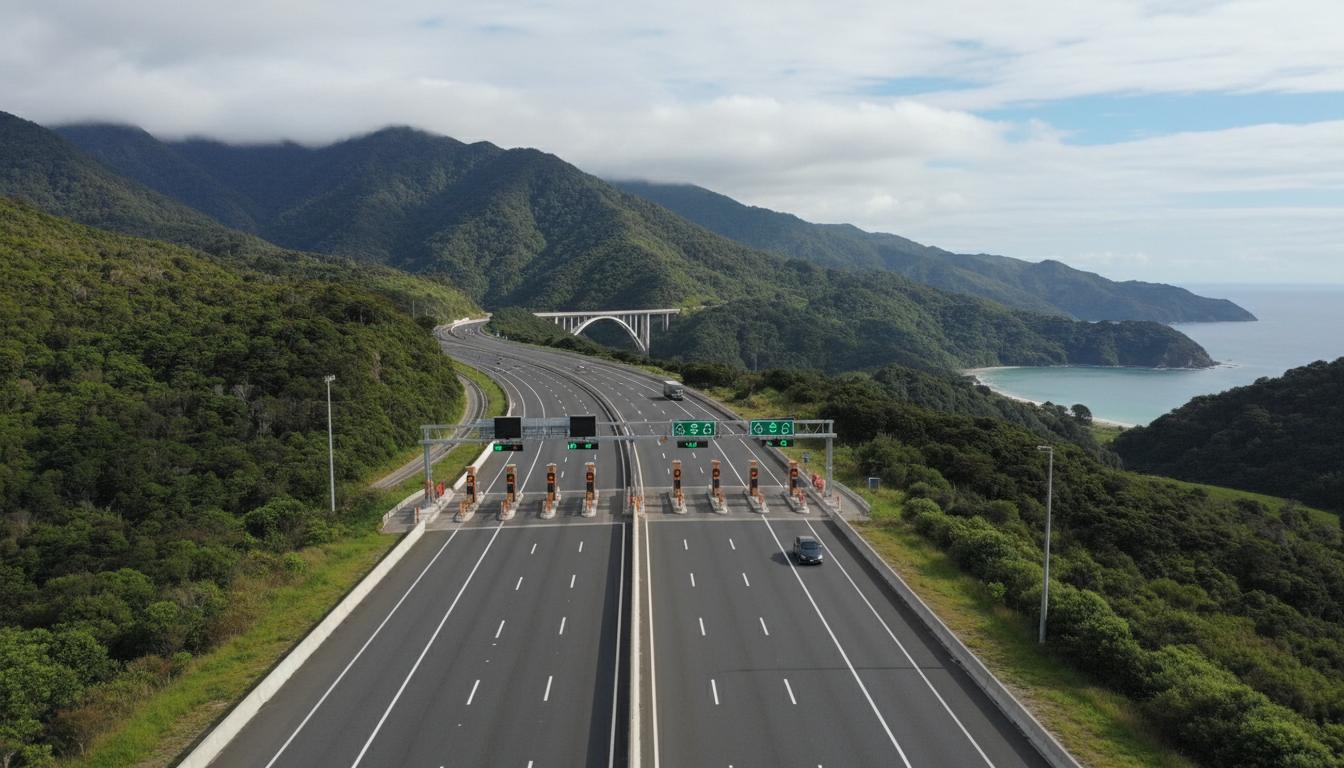
A toll road in NZ is a short section of state highway where drivers pay a small charge to use a faster, safer, or more direct route. There are no booths. Overhead cameras read your number plate, and the charge is matched to your vehicle. You can pay online or set up an account for automatic payment. If you’d rather not pay, a clearly signposted free alternative route is always available.
Tolling is managed by Waka Kotahi NZ Transport Agency. Revenue helps fund building and maintaining those roads.
How it works
New Zealand’s tolling system is fully electronic. Here’s the short version of how toll road NZ works from end to end:
- Automatic detection: Cameras record your number plate as you pass the tolling point.
- Vehicle lookup: The system checks the Motor Vehicle Register to find the registered owner and vehicle type.
- Charge applied: A toll is created for each pass through a tolling point, per direction.
- Payment window: You have a short window after travel to pay (or you can prepay or use an account).
- Enforcement: Unpaid tolls become notices to the registered owner, with added admin costs if ignored.
What gets charged
- Light vehicles (cars, vans, utes, motorcycles) are charged a light-vehicle rate.
- Heavy vehicles (over 3.5 tonnes) are charged a heavy-vehicle rate.
- Trailers are not charged separately; the towing vehicle is.
- Emergency services and some official vehicles are exempt.
How to pay
- Pay after you drive: Use the Waka Kotahi online portal to pay a one-off trip. You’ll need your plate number and a payment card.
- Prepay trips: Buy trips in advance if you prefer not to think about it later.
- Open a tolling account: Load funds and let the system auto-deduct each time you use any toll road NZ.
- Rental vehicles: Most rental companies charge tolls to your card later, often with their own admin fee. Check your rental agreement.
Deadlines and notices
- There is a set timeframe to pay after travel. Miss it and an admin fee is added to a notice sent to the registered owner.
- Keep your address current on the Motor Vehicle Register so any notice reaches you.
- If a notice arrives in error (e.g., sold vehicle), follow the instructions on the notice promptly.
Privacy and accuracy
- Images are captured to identify plates, not drivers.
- Number plate recognition is highly accurate, but you can dispute a charge if you believe it’s wrong.
Types / examples
There are three main toll road NZ sections currently in operation. Each has a free alternative route alongside it.
Northern Gateway Toll Road (SH1, north of Auckland)
A modern motorway bypass between Ōrewa and Pūhoi. It avoids slower, winding coastal roads and often saves several minutes, especially in peak periods or holiday traffic.
- Free alternative: The Hibiscus Coast/old SH1 route through Ōrewa and Waiwera.
- Why use it: Smoother grades, safer alignment, and predictable travel time.
Takitimu Drive Toll Road (SH29T, Tauranga)
A short tolled section connecting SH29/SH2 corridors, designed to shift traffic away from local streets. Handy for commuters and freight moving across Tauranga.
- Free alternative: Urban routes through Tauranga (more signals, slower in peak).
- Why use it: Faster cross-city movement and less stop-start driving.
Tauranga Eastern Link Toll Road (SH2, Paengaroa–Papamoa)
A long, high-standard expressway east of Tauranga. It dodges busy local centres and older highways with more driveways and lower speeds.
- Free alternative: The Te Puke/old SH2 corridor.
- Why use it: Safer design, consistent speeds, good for freight and holiday traffic.
Comparison at a glance
| Toll road | Region / SH | Main benefit | Free alternative | Typical time impact | Charged vehicles | Tolling method |
|---|---|---|---|---|---|---|
| Northern Gateway Toll Road | Auckland North / SH1 | Bypasses coastal congestion | Old SH1 via Ōrewa/Waiwera | Often a few minutes saved; more in peak/holidays | Motorcycles, light, heavy vehicles | Gantries with automatic plate recognition |
| Takitimu Drive Toll Road | Tauranga / SH29T | Faster cross-city link | Urban streets through Tauranga | Usually a few minutes; reduces stop-start | Motorcycles, light, heavy vehicles | Gantries with automatic plate recognition |
| Tauranga Eastern Link | Bay of Plenty / SH2 | High-speed expressway east of the city | Old SH2 via Te Puke | Several minutes; more consistent speeds | Motorcycles, light, heavy vehicles | Gantries with automatic plate recognition |
Pros and cons
Benefits of using a toll road NZ
- Time savings: Shorter, straighter, faster corridors.
- Safety: Modern design standards reduce risk.
- Predictability: Fewer intersections and bottlenecks.
- Fuel and wear: Steadier speeds can lower consumption and stress on brakes and tyres.
Downsides to consider
- Cost per trip: Small, but it adds up for daily commuters.
- Admin risk: Late payment fees if you forget to pay on time.
- Not always faster: Off-peak on the free route may be just as quick.
How to use or choose
Choosing a toll road NZ should be practical, not automatic. Think about your schedule, your patience for traffic lights, and how tight your budget is.
When it’s worth paying
- Morning or evening peaks when free routes clog up.
- Holiday periods when coastal or town-centre corridors crawl.
- Time-critical trips: airport runs, deliveries, appointments.
- Heavy vehicles: steady speeds can improve fuel economy and timing.
When to take the free route
- Late at night or off-peak with light traffic.
- Leisure drives where scenery matters more than minutes saved.
- When every dollar counts and you’re not in a rush.
Step-by-step: How to pay a toll in NZ
- Note your plate: After you pass a tolling point, remember your vehicle’s registration if you’re paying casually.
- Go online: Visit the official Waka Kotahi toll payment page.
- Enter details: Plate number, travel date, and location if asked.
- Choose method: Pay a one-off toll, prepay trips, or log in to an account.
- Confirm payment: Keep your receipt or email confirmation for your records.
Tips to avoid extra fees
- Set a phone reminder right after you drive through a toll road NZ.
- Open a tolling account if you use toll roads more than a few times a month.
- Keep your address current on the Motor Vehicle Register.
- If you’re in a rental, confirm how tolls are billed to avoid double-paying.
What businesses and fleets should do
- Use a central tolling account tied to plate numbers across the fleet.
- Download statements for fuel tax and cost tracking.
- Set geofenced route rules in telematics to choose toll vs free routes by time of day.
FAQ
Do I have to stop at a toll road in NZ?
No. There are no booths. Drive through at road speed. The system records your plate automatically.
How long do I have to pay after using a toll road NZ?
There is a defined payment window after travel. Pay as soon as possible to avoid an admin fee. If you miss the window, a notice is sent to the registered owner.
Can I pay before I travel?
Yes. You can prepay trips or keep a balance in a tolling account that auto-deducts when you use a tolled section.
Are motorcycles charged?
Yes. Motorcycles are tolled as light vehicles.
Do trailers pay a separate toll?
No. Only the towing vehicle is charged.
What if I drive through by mistake?
You still need to pay. Each time you pass a tolling point, a toll is created. Pay online promptly to avoid extra costs.
What happens if I don’t pay?
The toll becomes a notice with an admin fee to the registered owner. Continued non-payment can lead to infringement action. It’s simpler and cheaper to pay on time.
Are there discounts or caps for frequent users?
There are no universal discounts or caps. Frequent users usually open a tolling account for convenience and better tracking.
Do foreign-registered vehicles get billed?
Tourists typically drive rental cars, and rental firms on-charge tolls plus their admin fee. If you’re in a privately imported vehicle, you must still pay using the online portal.
What if the toll road is closed or partially closed?
If a tolled section is not operating or traffic is detoured off the tolled route, you are not charged for the closed section. Follow on-road signs and official updates.
Can I get a GST receipt?
Yes. One-off payments and account statements include GST details suitable for business records.
Are electric vehicles exempt from tolls?
No. EVs pay the same tolls as other vehicles.
How do I find the free alternative route?
Signs before each toll road NZ show the free route and exit points. Your map app will also display both options.
Is my personal data safe?
Plate images and trip data are used for tolling and enforcement only, under NZ privacy laws. If you have concerns, you can request information about your records.
Can I dispute a toll if I wasn’t the driver?
The registered owner is responsible unless they transfer liability following the instructions on a notice. For rentals and business fleets, internal policies usually assign responsibility to the driver of the trip.
Bottom line
A toll road NZ is designed to make key trips faster and safer. If time is tight, take it and set payments to automatic. If you’re taking the scenic route, follow the free signs and save the dollars. Either way, pay attention to the signs, keep your details up to date, and you’ll avoid fees and hassle.