


Lavender in New Zealand: A Practical Guide to Growing, Using, and Choosing the Best Varieties
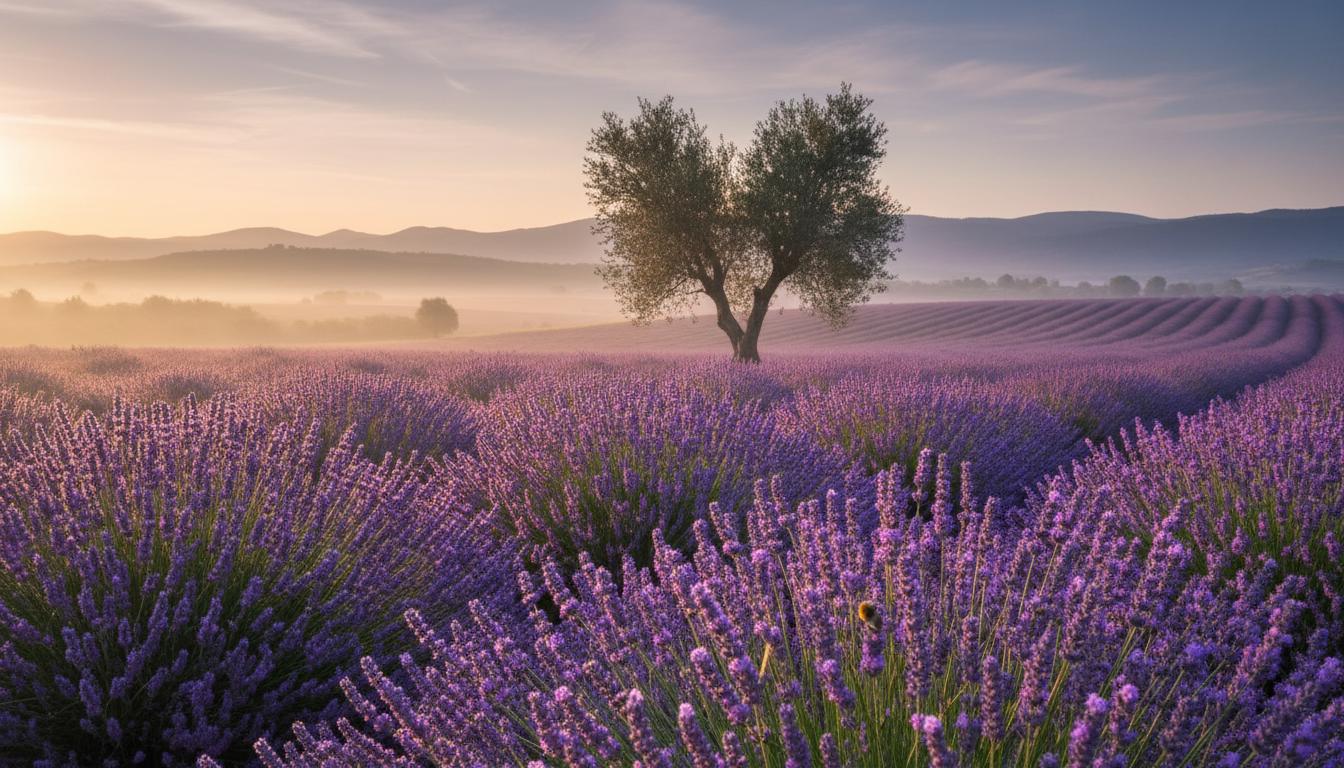
Lavender looks like sunshine trapped in a shrub: silver-green foliage, violet spires, and that clean, calming scent. It’s tough, beautiful, and surprisingly low effort once you understand what it needs. This guide explains what lavender is, how it works in the garden and at home, which types suit New Zealand conditions, the real pros and cons, and step-by-step advice to plant, prune, and use it well.
What is
Lavender (Lavandula) is a group of small, perennial shrubs from the Mediterranean. They’re evergreen in most parts of New Zealand, with narrow leaves and flowers packed into fragrant spikes. The plant stores essential oils in tiny glands on leaves and flower bracts, which is why a light brush releases a lot of scent.
In Aotearoa, lavender serves three popular roles:
- An ornamental hedge or drift that flowers over a long summer window
- A pollinator magnet for bees and beneficial insects
- A source for cut flowers, dried buds, and small-batch oil or culinary use
It thrives in lean, free-draining soil, full sun, and open air. The main enemy is wet feet, not cold. Most regions—coastal and inland—can grow lavender if drainage is right.
How it works
Lavender’s strength is in its chemistry and physiology:
- Essential oils: Compounds such as linalool and linalyl acetate create the signature scent and are concentrated in flowers and bracts. Warmer, sunnier weather usually boosts oil levels.
- Architecture: The woody base keeps the plant stable. New growth forms near last season’s flowering stems. That’s why regular pruning helps maintain shape and vigour.
- Water economy: Narrow leaves and a resinous coating reduce water loss. Once established, lavender is drought-tolerant, particularly in summer-dry regions.
- Pollinator appeal: The nectar-rich flowers are easy for bees to work, especially varieties with open, accessible spikes.
Beyond the garden, gentle aromatherapy using lavender can support relaxation for some people. Evidence shows modest, short-term benefits for anxiety and sleep quality when used as scent, not as a medical treatment. Always use essential oils sparingly and keep them away from pets and children.
Types / examples
Several lavender groups perform well in New Zealand. Each has a different look, scent profile, and tolerance to cold or humidity.
- Lavandula angustifolia (English lavender): Compact, fine fragrance, excellent for culinary use; good cold tolerance.
- Lavandula x intermedia (lavandin): Tall, vigorous hybrids with long stems and high oil yield; great for hedging and cutting.
- Lavandula stoechas (often called French or Spanish lavender): Distinctive butterfly-like bracts; very showy and early flowering; prefers mild winters.
- Lavandula dentata (also called French lavender): Toothed leaves, soft look, and long flowering period in mild climates; less frost-hardy.
| Type | Typical Height/Spread | Flowering in NZ | Hardiness | Best Uses | Notes for NZ Gardeners |
|---|---|---|---|---|---|
| L. angustifolia (English) | 50–70 cm H × 60–80 cm W | Late spring to mid-summer (Nov–Jan) | Good frost tolerance | Culinary, borders, small hedges | Prefers cooler summers; thrives in Canterbury, Otago, Wellington hills with good drainage |
| L. x intermedia (lavandin) | 70–100 cm H × 90–120 cm W | Mid-summer to early autumn (Dec–Mar) | Moderate frost tolerance | Hedges, cutting, oil | Handles heat and wind; great in Hawke’s Bay, Marlborough, Wairarapa if soil drains well |
| L. stoechas | 60–80 cm H × 70–90 cm W | Early spring onwards (Sep–Jan), often repeat | Low to moderate; dislikes hard frosts | Feature plants, long display | Good in coastal North Island; can sulk in cold, wet winters |
| L. dentata | 70–100 cm H × 80–120 cm W | Prolonged in mild areas | Low frost tolerance | Containers, warm sheltered sites | Best north of Waikato or very sheltered South Island spots |
Popular cultivars seen locally
- Hidcote (angustifolia): Deep purple, compact, classic scent.
- Munstead (angustifolia): Early, neat habit, good for small borders.
- Pacific Blue (angustifolia): Favoured by some NZ growers for oil and colour.
- Grosso (x intermedia): Tall, long stems, high yield, reliable hedge.
- Impress Purple (x intermedia): Strong colour, superb for cutting.
- Avonview (stoechas): Big bracts, extended bloom in warm zones.
Pros and cons
- Pros
- Low water needs once established
- Long flowering window and strong scent
- Supports bees and beneficial insects
- Great for hedges, pots, and coastal gardens
- Minimal feeding; thrives in lean soils
- Cons
- Hates waterlogged soil; root rot risks in heavy clay
- Can get woody and leggy without regular pruning
- Some types dislike frost; others dislike humidity
- Essential oil can irritate skin or pets if misused
How to use or choose
Choosing the right lavender for your place
- Cooler, drier regions (e.g., parts of Canterbury, Central Otago): Try angustifolia and x intermedia.
- Warm, humid zones (e.g., Auckland, Northland): Favour stoechas and dentata in very free-draining sites; avoid winter-wet feet.
- Windy coasts: Lavandin hybrids handle salt-laden breezes if soil drains sharply.
- Small spaces or pots: Compact angustifolia cultivars such as Hidcote or Munstead.
Site and soil tips for New Zealand conditions
- Sun: Aim for 6–8 hours daily. Shade reduces flowers and scent.
- Drainage: Essential. Build raised mounds or beds if you have clay. Mix pumice or coarse sand through the top 30 cm.
- pH: Slightly alkaline to neutral is ideal. Many NZ soils are a bit acidic—add garden lime or dolomite in autumn as needed.
- Mulch: Use gravel or scoria, not bark. Keeps stems dry and deters rot.
- Fertiliser: Go easy. A light spring feed of slow-release, low-nitrogen fertiliser is plenty.
Planting and care: step-by-step
- Choose the right plant: Match species to your climate and space. Check the label for mature size.
- Prepare the ground: In heavy soil, build a 15–30 cm raised mound and blend in pumice or coarse sand. Add lime if pH is low.
- Plant high: Set the crown slightly above soil level. Space 50–90 cm apart for hedges, depending on variety.
- Water in once: Give a deep soak at planting, then let the top few centimetres dry before watering again.
- Mulch smart: Use a thin layer of gravel around the base. Keep mulch off the woody stems.
- Prune lightly in year one: After first flowering, trim the top third of growth without cutting into bare wood.
- Establish: Water deeply but infrequently through the first summer. Once established, water only during extended droughts.
- Annual prune: After flowering (late summer for lavandin; late spring to mid-summer for angustifolia), trim back to a neat cushion, always leaving green shoots.
Pruning calendar for NZ
- Angustifolia (English): Main prune after peak bloom (Dec–Jan). Light tidy in early autumn if needed.
- Lavandin: Prune late summer to early autumn (Feb–Mar) to keep hedges tight.
- Stoechas and dentata: Light trims after each flush; avoid hard cuts heading into winter.
Using lavender at home and in the garden
- Hedges and edging: Plant a single variety for a clean, even look.
- Pots on decks: Use a 30–40 cm wide container with free-draining mix and a sunny spot.
- Cut flowers: Harvest in the cool of morning when about a third of the buds are open.
- Dried bunches and sachets: Hang small bundles upside down in a dry, airy place out of sun.
- Culinary: Use angustifolia buds sparingly for sugar, shortbread, or syrups. A little goes a long way.
- Wardrobes: Dried sachets help deter clothes moths naturally.
Pests, problems, and fixes
- Root rot (waterlogging): Raise the bed, improve drainage, and switch to gravel mulch. Avoid overwatering.
- Leggy, woody plants: Prune yearly and replace every 5–7 years for best looks.
- Aphids and spittlebugs: Usually cosmetic. Blast off with water or prune affected tips.
- Fungal dieback in humid summers: Increase airflow, avoid overhead watering, and thin congested growth.
FAQ
When does lavender bloom in New Zealand?
Most lavender flowers from late spring through summer. Stoechas starts early (September onward), angustifolia peaks November–January, and lavandin often runs into March in warm regions.
Which lavender is best for hedges?
Lavandula x intermedia cultivars like Grosso make dense, tall hedges with long stems. For smaller hedges, try angustifolia selections such as Munstead or Hidcote.
Will lavender grow in Auckland’s humidity?
Yes, with sharp drainage and full sun. Stoechas and dentata perform well. Plant on mounds, use gravel mulch, and avoid heavy watering in winter.
Can I grow lavender in Canterbury frosts?
Absolutely. Angustifolia and lavandin types handle frost well. Ensure the soil drains freely to prevent winter root issues.
How often should I water lavender?
Deeply but infrequently. After establishment, water only during extended dry spells. Overwatering is a common cause of decline.
How do I prune without killing the plant?
Cut back by about one-third after flowering, keeping some green shoots on each stem. Avoid pruning into old, bare wood.
Is lavender safe for pets?
The plant is mildly toxic if eaten in quantity, and essential oil is potent. Keep oils away from pets and children. If ingestion occurs, contact a vet.
Which lavender is best for cooking?
Use Lavandula angustifolia (English lavender) for a sweet, clean flavour. Use sparingly to avoid bitterness.
Can I grow lavender in pots?
Yes. Choose a sunny spot, a pot with plenty of drainage holes, and a gritty mix. Water when the top few centimetres are dry.
How long do lavender plants last?
Typically 5–10 years, depending on variety and care. Replace older, woody plants for best display.
Quick buyer’s checklist (NZ-specific)
- Choose varieties suited to your climate zone and soil.
- Look for compact, bushy plants with no yellowing leaves.
- Check the label for mature size and prune timing.
- Buy from reputable nurseries; avoid rootbound plants.
- Pick a single cultivar for a uniform hedge or drift.
Troubleshooting at a glance
- Yellow leaves near the base: Often poor drainage or overwatering.
- Few flowers: Not enough sun, too much fertiliser, or pruning at the wrong time.
- Plant flopping open: Missed annual prune; trim after next bloom and support lightly if needed.
- Winter losses: Heavy soil; raise the planting area and switch to gravel mulch.
Closing thoughts
Give lavender sun, air, and dry feet, and it will give you scent, colour, and a garden that hums with bees. Pick the right type for your region, prune once a year, and keep the soil on the lean side. That’s the whole secret—and it works from Northland to Central Otago.