


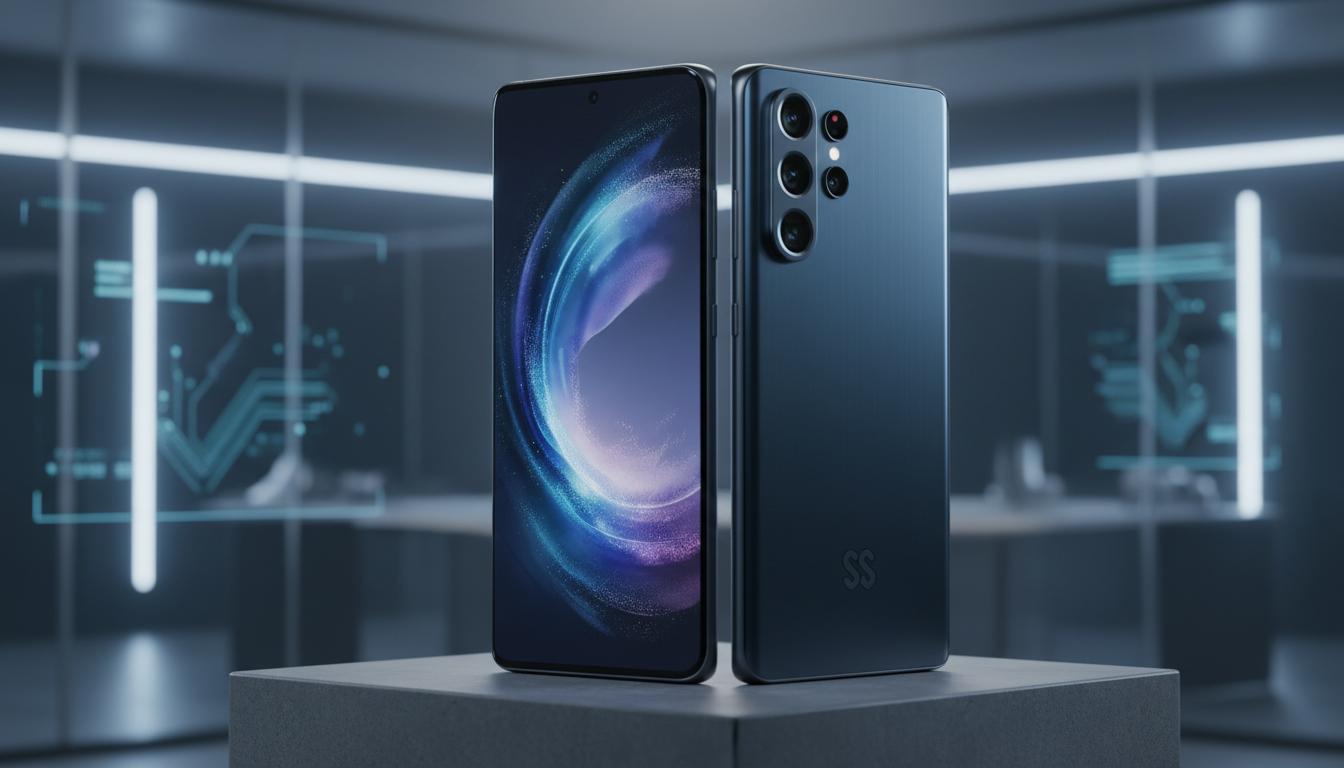
Samsung Galaxy S25: The Kiwi Buyer’s Guide to Samsung’s Flagship Family
The samsung galaxy s25 sits at the sharp end of Android phones—premium screens, fast chips, and cameras that try to replace your compact. If you live in New Zealand and want a clear, no-fuss guide before you buy, this page walks you through what the S25 line is, how it works, the models to consider, real advantages and drawbacks, and how to choose the right one for our local networks and way of life.
What is
The samsung galaxy s25 is Samsung’s 2025-generation flagship range. As usual for the Galaxy S line, it comes in multiple versions aimed at different users: a standard model for most people, a Plus model for those who want a larger screen and battery, and an Ultra model for photographers, power users, and stylus fans.
At a high level, you can expect:
- Top-tier displays with adaptive high refresh rates for smooth scrolling and gaming.
- Flagship-class processors (Snapdragon or Exynos depending on region and model) with strong AI acceleration.
- Serious camera hardware, including improved low-light performance and advanced computational photography.
- Premium build materials, IP-rated dust and water resistance, and Gorilla Glass on both sides.
- One UI on top of Android, with Samsung’s long-term update policy and security patches.
- Full 5G support for NZ carriers, eSIM support on local units, and NFC for contactless payments.
In New Zealand, the samsung galaxy s25 family is available through major retailers and carriers (Spark, One NZ/Vodafone, and 2degrees), alongside Samsung’s online store. Local consumer protections under the Consumer Guarantees Act apply, which is handy if something goes wrong beyond the standard warranty period.
How it works
Think of the S25 series as a tight blend of hardware and software. Samsung’s hardware delivers the horsepower, while One UI turns it into features that matter day to day.
Performance and efficiency
The chips inside the samsung galaxy s25 range focus on three things: raw speed, power efficiency, and on-device AI. In practice, you get fast app launches, sustained gaming performance, and better battery life than mid-range phones. Models may ship with different processors by region—some Exynos, some Snapdragon—so always check the product page or the “About phone” section if you care which one you’re getting.
Displays that adapt
All S25 models use adaptive refresh displays. The screen ramps up for smooth motion when you’re gaming or scrolling, then dials down to save battery when you’re reading. Brightness is tuned for bright Kiwi sun, with good outdoor visibility when you’re at the beach or at the footy.
Connectivity in NZ
Local S25 units support NZ’s 5G and 4G bands used by Spark, One NZ, and 2degrees. Most New Zealand stock offers one physical nano‑SIM plus eSIM. That’s useful if you want a personal and work line, or a travel eSIM for overseas trips. Wi‑Fi and Bluetooth standards vary by model generation, but expect top-tier options and quick pairing with Galaxy Buds and modern wearables.
Cameras and computational smarts
The camera system pairs large sensors and multiple lenses with software that cleans up noise, stabilises video, and lifts detail. The Ultra model traditionally adds a periscope-style telephoto for long zooms and more granular manual controls. Samsung’s AI features can help with editing, object removal, transcription, and translation on-device. Always check what’s included on your exact model and software version.
Charging and battery
The samsung galaxy s25 family supports USB‑C charging with PPS/PD standards, which most reputable third‑party chargers support. Wireless charging and reverse wireless charging are standard features on Galaxy S flagships. Charging wattage differs by model; if top-up speed matters to you, look at the spec sheet before you buy and pick a charger that matches those standards.
Software and updates
One UI layers Samsung’s design and features on Android. You’ll get years of OS and security updates—one of the strongest commitments in the Android world. Exact timelines depend on the model, but the S series sits at the top of Samsung’s support roadmap.
Types / examples
The samsung galaxy s25 isn’t a single phone; it’s a trio aimed at different needs. Here’s how they usually break down in practice:
- Galaxy S25: The “just right” option—compact enough, premium where it counts.
- Galaxy S25+: Bigger canvas, bigger battery, and faster wired charging on some generations.
- Galaxy S25 Ultra: The works—best cameras, S Pen support, the toughest build, and the largest screen.
| Model | Size & Display | Cameras | Battery & Charging | Extras | Best for |
|---|---|---|---|---|---|
| Galaxy S25 | Compact to mid-size; adaptive high refresh | Main + ultrawide + telephoto; strong everyday photos | All-day battery for most users; fast wired and wireless charging | eSIM, IP rating, premium build | Most Kiwis who want flagship quality without the bulk |
| Galaxy S25+ | Larger screen for movies and work | Similar trio with improved processing stability on long shoots | Bigger battery; typically quicker wired charging than base | Roomier RAM/storage options | Heavy media use, travel, split‑screen multitasking |
| Galaxy S25 Ultra | Extra‑large, brightest display | Advanced system with long‑range zoom; best night and video tools | Big battery; premium charging support | S Pen, toughest frame, pro camera controls | Photographers, creators, note‑takers, and power users |
Pros and cons
Pros
- Premium screens with excellent outdoor visibility for NZ conditions.
- Fast performance and strong AI features for editing, translation, and productivity.
- Versatile cameras that handle low light, portraits, and zoom well—especially on Ultra.
- Long software support and tight security updates compared with many Android rivals.
- Reliable 5G and eSIM support on New Zealand stock, plus broad accessory ecosystem.
Cons
- Premium pricing, especially for the Ultra and higher storage tiers.
- Charging speeds aren’t the absolute fastest in the industry.
- Regional chip differences (Exynos vs Snapdragon) can confuse buyers—check before you buy.
- Samsung apps and services may feel heavy if you prefer a minimal Android setup.
How to use or choose
Choosing the right samsung galaxy s25 in New Zealand
- If you want a pocketable flagship: start with the standard S25.
- If you need more screen and battery: look at the S25+.
- If you care most about cameras or want a stylus: the S25 Ultra is the one to beat.
Other factors to weigh up:
- Storage: 256 GB is a safe baseline if you shoot a lot of photos or 4K video. There’s no microSD slot on modern S phones.
- Carrier choice: Spark, One NZ, and 2degrees all support 5G. If you travel often, check roaming rates and eSIM options.
- Parallel imports: Some imported units miss certain 5G bands or features like Samsung Wallet. Buying New Zealand stock avoids most headaches.
- Trade‑in and promos: Samsung NZ and local retailers often bundle earbuds, chargers, or trade‑in bonuses at launch windows.
Set up your samsung galaxy s25 (step‑by‑step)
- Back up your old phone. On Android, use Google Backup; on iPhone, ensure iCloud is up to date.
- Insert your SIM or set up eSIM with your Kiwi carrier. Spark, One NZ, and 2degrees all support eSIM on compatible plans—scan the QR code they provide.
- Power on and connect to Wi‑Fi. Let the phone pull the latest software updates before migrating data.
- Use Samsung Smart Switch. Choose cable or wireless. On iPhone, install Smart Switch on the Galaxy and follow on‑screen prompts.
- Sign in to your Google account for apps and to your Samsung account for cloud, Find My Mobile, and Galaxy Store.
- Restore apps and media, then open banking and authenticator apps to re‑enrol security.
- Set up biometrics (fingerprint and face). Add a screen lock PIN that’s not easily guessed.
- Enable Samsung Wallet or Google Wallet for NFC payments. Check your bank’s supported app and card list in New Zealand.
- In Settings, customise battery and display: enable adaptive brightness, set motion smoothness, and review app power management.
- Turn on automatic backups and schedule security updates so you never miss patches.
Tips for getting the best out of your S25
- Camera: Try the “Pro” or “Expert RAW” modes (if available on your model) for higher control and dynamic range.
- Battery: Use adaptive battery and restrict seldom‑used apps from running in the background.
- Connectivity: Add eSIM for cheaper roaming when you head overseas; many travel eSIM providers support the S series.
- Accessories: A PPS‑compatible USB‑C charger and a quality case with raised edges protect the screen and charge efficiently.
- Privacy: Review permission access in Settings → Privacy; One UI makes it easy to revoke unused permissions.
FAQ
What is the samsung galaxy s25?
It’s Samsung’s 2025 flagship smartphone range, typically offered in three models—S25, S25+, and S25 Ultra—each with premium screens, fast processors, and multi‑camera systems.
Which samsung galaxy s25 model should I buy in NZ?
Most people will be happy with the S25. If you want a bigger screen and battery, pick the S25+. If you want the best camera system and an S Pen, go Ultra.
Does the S25 support eSIM in New Zealand?
Yes, New Zealand stock generally supports eSIM. Check with your carrier (Spark, One NZ, or 2degrees) for plan eligibility and activation steps.
Is the S25 water resistant?
The S series carries a flagship‑level IP rating for dust and water resistance. Avoid saltwater exposure where possible, rinse with fresh water if it gets splashed at the beach, and dry thoroughly before charging.
Snapdragon or Exynos in NZ?
It depends on the specific S25 model and retail batch. Samsung mixes chipsets by region and model. The quickest way to confirm is the official NZ product listing or the “About phone” section on the device.
How long will the samsung galaxy s25 receive updates?
Samsung offers multi‑year Android version and security updates on flagship S phones. Exact timelines are published on Samsung’s site for each model generation.
Does the S25 have good battery life?
Yes, battery life is competitive among flagships. The Plus and Ultra models typically last longer thanks to larger cells. Your mileage will vary based on screen settings and 5G usage.
Can I use contactless payments in NZ?
Yes. Use Samsung Wallet or Google Wallet for NFC payments. Support depends on your bank and card—check the latest list for New Zealand before relying on it.
What about chargers in the box?
Recent Galaxy S phones usually don’t include a charger. Use a reputable USB‑C PD/PPS charger to reach the phone’s top charging speeds.
Is the Ultra worth it for photography?
If you often shoot distant subjects, night scenes, or want RAW controls and S Pen precision, the Ultra earns its keep. If you mostly take social snaps, the standard S25 already performs very well.
Final take
The samsung galaxy s25 lineup gives Kiwi buyers three clear choices: balanced, bigger, or best‑in‑class. All deliver premium screens, fast chips, strong cameras, and years of updates. Pick the one that matches your hand size, battery expectations, and camera ambition—and buy New Zealand stock to ensure full 5G and wallet features. Do that, and you’ll have a flagship that feels fast on day one and still sharp years down the line.