


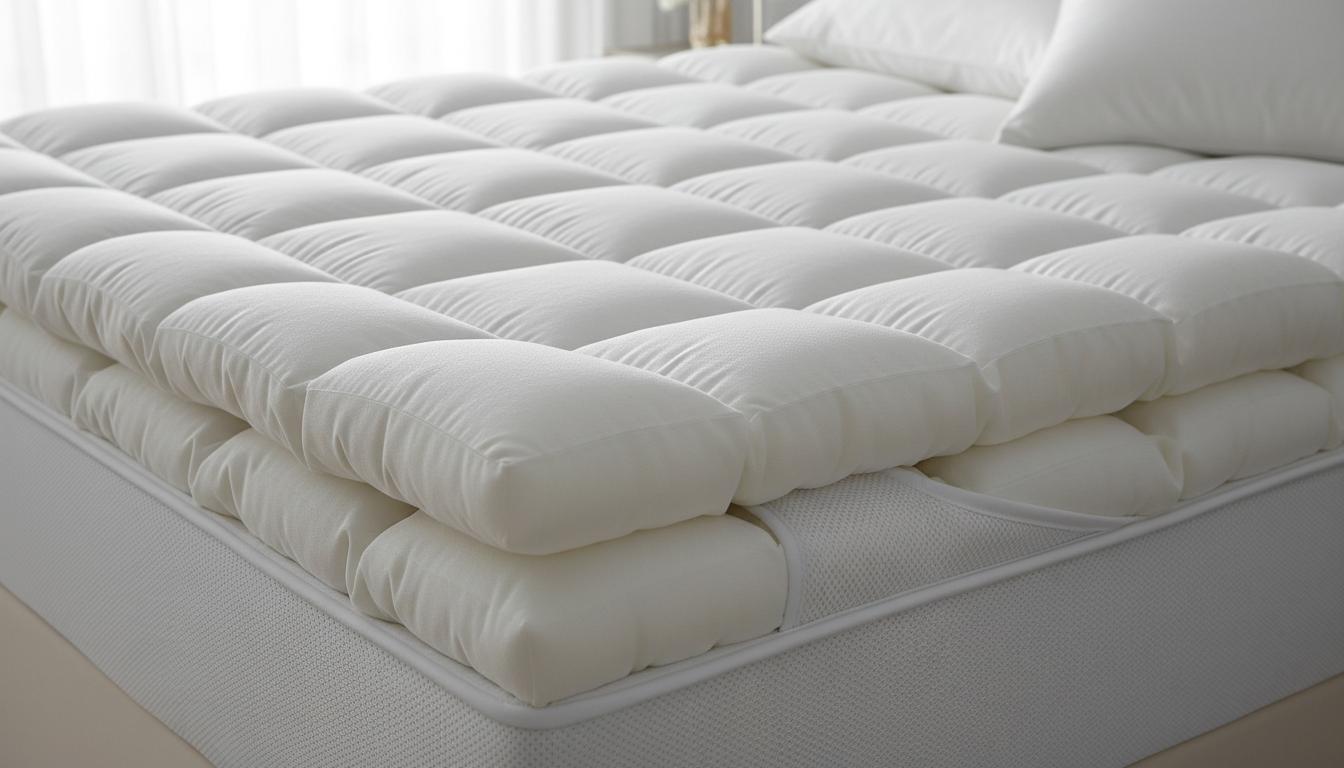
Mattress topper: a smart, fast upgrade for Kiwi beds
If your mattress feels a bit tired but you’re not ready to replace it, a mattress topper can change the game overnight. The right layer adds comfort, support, and temperature control—without the cost of a new bed. Below, you’ll learn what a topper is, how it works, the main types sold in New Zealand, and how to pick and use one with confidence.
What is
A mattress topper is a removable comfort layer, usually 3–8 cm thick, that sits on top of your mattress under the fitted sheet. It adjusts the feel of your bed—softer, firmer, cooler, or more supportive—while giving light protection to the mattress surface.
Mattress topper vs mattress protector vs pad
- Mattress topper: changes comfort and support; adds thickness and pressure relief.
- Mattress protector: a thin, usually waterproof or spill-resistant cover; protects, does not change feel much.
- Mattress pad: a light quilted layer; minor plushness, less dramatic than a topper.
How it works
A mattress topper modifies the contact between your body and the bed:
- Pressure relief: foams and wool spread weight away from hips and shoulders, easing sore spots.
- Spine alignment: firmer or more resilient toppers help keep back and neck in a neutral line.
- Temperature control: breathable fibres (wool, cotton) and vented foams improve airflow; gel or graphite infusions aim to dissipate heat for hot sleepers.
- Motion isolation: memory foam reduces partner disturbance—useful if you share a bed.
For New Zealand homes—where nights can swing from humid in Northland to frosty in Central Otago—material choice matters. Wool regulates moisture on muggy nights and warms in winter. Latex rebounds quickly and stays breathable. Memory foam hugs closely for comfort on firm beds but can feel warmer unless well-ventilated.
Types / examples
These are the most common mattress topper options you’ll find across NZ retailers and bedding stores.
| Type | Feel | Best for | Temperature | Care | Typical NZ price (Queen) | Lifespan |
|---|---|---|---|---|---|---|
| Memory foam mattress topper | Hugging, contouring | Pressure relief, side sleepers, motion isolation | Can sleep warm unless ventilated/gel-infused | Spot clean foam; washable cover | Approx. $150–$400 | 3–5 years |
| Latex mattress topper (natural or blended) | Buoyant, supportive | Back support, durability, hot sleepers | Breathable, temperature-neutral | Spot clean; washable cover | Approx. $300–$700 | 5–8+ years |
| Wool mattress topper | Plush, cushioned | Moisture control, four-season comfort | Excellent thermoregulation | Air out; some dry-clean or gentle wash per label | Approx. $200–$500 | 3–5 years |
| Feather & down topper | Lofty, cushy | Softening a too-firm bed | Breathable; may flatten without regular fluffing | Frequent shaking; professional clean | Approx. $200–$500 | 2–4 years |
| Microfibre/polyester topper | Soft, quilted | Budget comfort, guest rooms, baches | Neutral; depends on fill density | Often machine washable (check label) | Approx. $80–$200 | 1–3 years |
| Hybrid/gel foam topper | Foam with gels or graphite | Hot sleepers wanting foam feel | Cooler than standard foam | Spot clean; washable cover | Approx. $180–$500 | 3–5 years |
Notes on materials
- Density matters for foam: higher density (about 50–60 kg/m³) usually means better support and durability.
- Natural latex (from rubber trees) tends to outlast most foams and feels springier—good for back and stomach sleepers who dislike sink.
- Wool is a standout in NZ’s variable climate: it wicks moisture, reduces clamminess, and still insulates in winter.
- Feather & down feel luxurious but need regular fluffing and may not suit allergy sufferers.
- Look for removable, washable covers—bamboo or cotton blends feel cool and help keep the topper fresh.
Pros and cons
Benefits
- Revives a too-firm or uneven-feeling bed at a fraction of the price of a new mattress.
- Targeted comfort: choose soft, firm, cooling, or supportive based on your needs.
- Extends mattress surface life by absorbing day-to-day wear.
- Easy to install, move, or take to a rental, flat, or bach.
- Can reduce partner disturbance (especially memory foam).
Limitations
- Won’t repair deep sags or broken springs—if your mattress dips more than about 2–3 cm, it’s time to replace it.
- May change sheet fit—deep-pocket fitted sheets are often needed.
- Some foams off-gas briefly when new; airing helps.
- Extra height can soften edge support and make getting in/out slightly different.
How to use or choose
Quick picker guide
- If your bed is too firm: a soft memory foam mattress topper (5–7 cm) or a plush wool topper adds cushioning for side sleepers.
- If you overheat: a breathable latex topper or a cooling mattress topper with ventilated foam and a bamboo cover.
- If you need more support: a firm mattress topper in latex or high-density foam keeps the spine aligned—good for back and stomach sleepers.
- If you’ve got back pain: aim for balanced support—latex or mid-density memory foam can reduce pressure without letting you sink too far. Talk to a health professional if pain persists.
Thickness and firmness
- 3–4 cm: subtle change; good for newer mattresses that just need a touch of plush or support.
- 5–7 cm: noticeable transformation; ideal for older but not sagging beds.
- 8 cm+: maximum cushioning; can feel enveloping—best for firm bases and side sleepers.
Match to your sleeping position
- Side sleepers: medium to soft topper for shoulder/hip relief—memory foam or wool blend works well.
- Back sleepers: medium to firm topper that keeps lower back supported—latex shines here.
- Stomach sleepers: firmer, thinner topper to prevent hip sink and back strain.
Fit and sizes in NZ
- Common sizes: Single, King Single, Double, Queen, King, Super King. Measure your mattress to confirm fit.
- Depth adds height: a 7 cm topper can make standard sheets pop off. Choose deep-pocket sheets, or sheets labelled 40–50 cm depth for pillow-top mattresses.
- For kids and teens: a king single mattress topper is a popular comfort upgrade through growth spurts.
- Guest rooms and baches: a queen mattress topper is a cost-effective way to make a spare bed inviting without replacing the mattress.
Material safety and certifications
- Foams: CertiPUR-US certified foams are tested for certain emissions and chemicals.
- Fabrics/fills: OEKO-TEX Standard 100 indicates textiles tested for harmful substances.
- Allergies: latex is naturally resistant to dust mites and mould; wool also manages moisture well. If you have a known latex allergy, choose a latex topper with a sealed cover or opt for non-latex materials.
NZ buying tips
- Check returns: some NZ retailers offer 30–120-night trials on a mattress topper; others allow unopened returns only.
- Warranty varies by material; latex often carries longer coverage than microfibre.
- Delivery: rural delivery may take longer; compressed foam toppers arrive roll-packed—allow 24–72 hours to fully expand.
- Climate: in humid regions, choose breathable options (latex or wool) and a removable, washable cover to manage moisture and odours.
How to fit a mattress topper (step-by-step)
- Unbox the topper in a well-ventilated room. Carefully cut plastic without nicking the fabric or foam.
- Unroll on a clean, flat surface or directly on the mattress. Let it expand for the time stated on the label (often 24–72 hours for foam).
- Align corners. If your topper has straps or a skirt, secure them under the mattress.
- Add a mattress protector over the topper to guard against spills and sweat.
- Use a deep-pocket fitted sheet to cover both topper and mattress securely.
- Test the feel for a few nights. Rotate the topper head-to-foot if you notice body impressions.
- Air the room to clear any new-foam smell. Gentle sunlight helps freshen wool and fabric toppers.
Care and maintenance
- Cover: choose a zip-off, machine-washable cover. Wash every 1–2 months or as needed.
- Foam cores: do not machine wash. Spot clean with mild detergent; air dry completely.
- Wool/feather: air regularly; check the label for dry-clean or delicate-wash instructions.
- Rotate monthly to spread wear. Flip only if the topper is double-sided.
- Electric blankets: many Kiwis place the electric blanket on top of the topper for faster warmth. Follow both manufacturers’ instructions and avoid high heat with memory foam.
- Humidity: use a breathable protector and air the bed to discourage mould and dust mites.
When a topper won’t help
- Deep sags, broken springs, or lumpy foam in your mattress will show through. If depressions exceed about 2–3 cm, replacing the mattress is the better fix.
FAQ
How thick should a mattress topper be?
For a noticeable change, 5–7 cm suits most people. Choose 3–4 cm for a light tweak, or 8 cm if you want maximum plushness on a very firm base.
Will a mattress topper fix a sagging mattress?
No. A topper smooths minor firmness issues but can’t correct deep dips or structural problems.
What’s the best mattress topper for back pain?
Often a medium-firm latex mattress topper or a mid-density memory foam topper. It should relieve pressure without letting your hips sink too far. If pain is ongoing, get advice from a health professional.
What is the coolest mattress topper?
Latex and wool are strong choices for hot sleepers in NZ. If you prefer foam’s hug, pick a cooling mattress topper with ventilation channels, gel or graphite infusions, and a breathable bamboo or cotton cover.
Can I use an electric blanket with a topper?
Yes, but follow safety guidelines. Many users place the electric blanket above the topper for faster heat transfer and keep settings moderate, especially with memory foam. Always check both product manuals.
How long does a topper last?
Typically 3–5 years for foam, 5–8+ for quality latex, and 3–5 for wool with good care. Heavier use shortens lifespan.
Do I still need a mattress protector?
It’s wise. A protector over your topper shields against spills, sweat, and allergens, and extends the topper’s life.
How do I stop a topper from sliding?
Choose a model with corner straps or a fitted skirt. A non-slip mat between layers helps. Properly sized deep-pocket sheets also keep things in place.
Is latex safe if I have a latex allergy?
Most reactions come from direct skin contact with uncured latex proteins. A latex topper is usually enclosed and covered with sheets, reducing exposure, but if you have a confirmed allergy, consider non-latex options or consult your doctor.
Which size should I buy in NZ?
Match your mattress: Single, King Single, Double, Queen, King, or Super King. For split super kings, two long singles can work well.
What about off-gassing smells?
New foam toppers can have a temporary odour. Ventilate the room and allow 24–72 hours for the smell to dissipate before use.
Is a topper worth it for rentals or student flats?
Yes. A budget-friendly microfibre or memory foam topper can make a basic mattress far more comfortable and moves easily when you change flats.
Final take
A well-chosen mattress topper is a simple, affordable way to tailor your bed to your body and New Zealand’s climate. Match the material and thickness to how you sleep, use a breathable cover, and keep it clean. Your mattress will feel new again—without the big spend.