


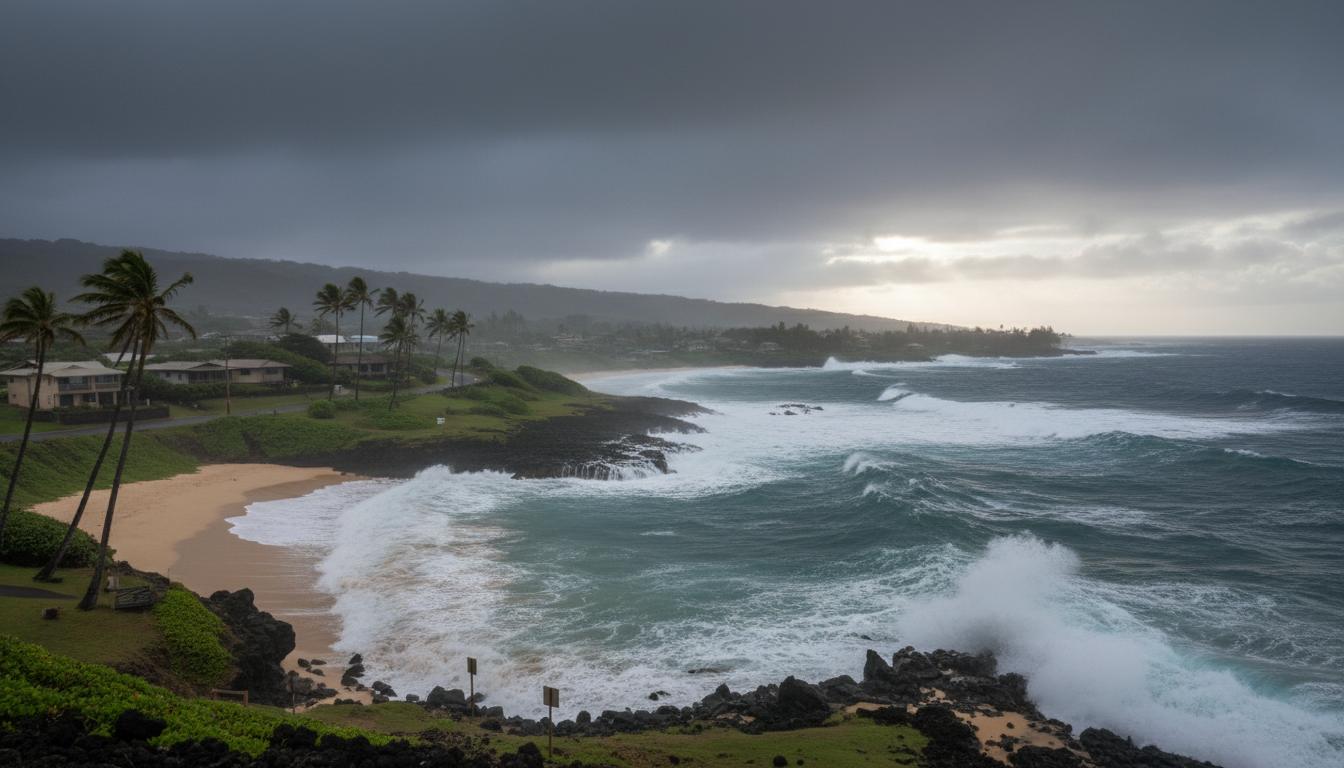
North Shore Weather: A Local Guide to Auckland’s Changeable Coast
Step outside on the Shore and you can feel the sea in the air. Mornings start calm, afternoons bring a breeze across the harbour, and showers can sweep through then vanish as quickly as they came. This guide explains north shore weather in plain English—what drives it, how it shifts by season and suburb, and smart ways to plan your day so the forecast works for you.
What is
North shore weather is the maritime climate experienced across Auckland’s North Shore, from Devonport to Long Bay and inland to Albany. It is mild, humid, and often changeable, shaped by the Hauraki Gulf, the Waitematā Harbour, and a landscape of low hills and sheltered valleys.
In short: summers are warm with sea breezes, winters are cool but rarely cold, rain is spread through the year with heavier falls in winter and spring, and humidity is a constant companion near the coast.
- Typical summer highs: 22–26°C; warm nights near the water
- Typical winter highs: 12–16°C; frosts are rare and brief inland
- Rainfall: frequent showers year-round; heavier bursts in fronts and subtropical lows
- Sunshine: about 2,000 hours most years, more on settled summer days
- Wind: prevailing westerly to southwesterly; onshore northeasterlies in La Niña and sea-breeze days
How it works
The sea-breeze machine
On sunny days the land heats faster than the Hauraki Gulf. By late morning, cooler air flows in from the water, producing a northeasterly sea breeze. It’s strongest along coastal suburbs like Takapuna and Browns Bay, and weaker inland around Albany. This breeze keeps afternoons comfortable, but it can also push showers ashore.
Hills, valleys, and microclimates
Low ridges from Glenfield to Torbay catch more wind and feel cooler on blustery days. Sheltered basins inland hold morning chill, fog, or drizzle a little longer. Close to the coast, nights are milder thanks to the sea’s warmth, while inland spots get a bigger temperature swing between day and night.
Fronts, lows, and the Tasman pipeline
Most rain arrives with weather fronts crossing from the Tasman Sea. In winter and spring, fast-moving westerlies bring brief, heavy showers with gusts and the odd bout of small hail. In late summer and autumn, subtropical lows or ex-tropical cyclones can deliver prolonged rain, strong winds, and coastal swells.
El Niño, La Niña, and year-to-year shifts
- El Niño: stronger westerly and southwesterly winds, cooler nights, fewer sticky northeasterlies; often drier for the north and east of the North Island.
- La Niña: more humid northeasterlies, warmer nights, increased shower and thunderstorm risk; higher odds of subtropical rain systems.
UV and daylight
UV levels run high in New Zealand, especially from October to March. Even on breezy days, the sun bites quickly. Long summer evenings invite late beach trips, while winter daylight fades fast, concentrating showers during short afternoons.
Types / examples
Summer (Dec–Feb): warm, breezy, and humid
Expect warm afternoons cooled by the sea breeze. Coastal suburbs often feel fresher than inland. Sudden showers can bubble up over the Gulf and sweep onto the Shore, then clear to blue sky again. Humidity makes nights feel warmer near the water.
Autumn (Mar–May): glassy mornings, heavier rain events
Autumn starts settled, with still mornings and clean surf breaks. Later in the season, slow-moving lows can park rain over the region. Ex-tropical cyclones occasionally brush the Hauraki Gulf between January and April, bringing strong winds, rough seas, and heavy rain bands.
Winter (Jun–Aug): cool, showery, rarely freezing
Fronts off the Tasman bring cool southwesterlies and quick-fire showers. Squalls can be sharp but brief. Inland valleys can see light frost on clear nights; the coast usually stays a few degrees warmer. Snow at sea level is virtually unheard of.
Spring (Sep–Nov): windy mood swings
Spring flips quickly between calm, warm spells and blustery westerlies. Showers race through, often clearing to long sunny breaks. It’s a good season for sailing—if you pick your wind window.
Pros and cons
- Pros: mild winters, long shoulder seasons, sea breezes temper summer heat, quick clearing after showers, great marine conditions on settled days.
- Cons: humidity can feel muggy, frequent short showers, gusty winds on exposed ridges, heavy rain can trigger surface flooding and slips, marine plans can be upended by fast changes.
Microclimate snapshot across the Shore
| Area type | Wind exposure | Temperature swing | Rain exposure | Morning fog/drizzle | Sea-breeze strength |
|---|---|---|---|---|---|
| Coastal suburbs (e.g., Devonport, Takapuna, Browns Bay) | Moderate to strong on onshore days | Smaller; milder nights | Showers can arrive quickly off the Gulf | Less likely; clears faster | Strongest, peaking mid–late afternoon |
| Inland valleys (e.g., Albany, Unsworth Heights) | Lighter; sheltered from sea breezes | Larger; cooler mornings | Similar totals, but slower to clear | More common on calm winter mornings | Weaker; arrives later or not at all |
| Elevated ridges (e.g., Glenfield, Totaravale) | Windy; gusty in westerlies | Moderate; wind-chill noticeable | Frequent passing showers | Uncommon; wind mixes it out | Moderate; earlier onset than valleys |
How to use or choose
Pick the right forecast for your plan
- Daily life: MetService regional forecast for North Shore/Auckland gives a clear “rain vs. sun” picture and official warnings.
- Outdoors and wind: Tools with high-resolution wind maps (e.g., Windy-style platforms) help judge gusts on ridges and sea-breeze timing.
- Boating, paddling, and fishing: Marine forecasts for the Hauraki Gulf, plus swell and tide charts. Check for strong wind warnings and visibility.
- Rain right now: Live rain radar to track incoming showers from the Gulf or Tasman; helpful for timing school runs and beach swims.
- Climate background: NIWA commentary for seasonal drivers like El Niño/La Niña to set expectations weeks ahead.
Plan your North Shore day in 7 steps
- Check the headline forecast early: temperature, wind direction, and any rain warnings.
- Open the rain radar: is a shower band lining up across the Gulf or clearing away?
- Look at hourly wind: if it swings to NE by midday, expect a sea breeze on the coast.
- Note your suburb type: coast, valley, or ridge. Adjust for wind, fog, or temperature swing.
- Set a weather window: pick a two-hour block with lowest rain chance for errands or beach.
- Pack smart: light layer and rain shell year-round; sun protection in all seasons.
- Re-check before heading out: conditions can change quickly, especially in spring and during subtropical lows.
Local tips that pay off
- Coast beats the heat: on hot days, beaches from Milford to Long Bay feel cooler by mid-afternoon.
- Inland starts chillier: morning workouts in Albany or Schnapper Rock often need an extra layer.
- Wind matters more than temperature: a 20°C day with a stiff SW on a ridge can feel cooler than 17°C in a sheltered street.
- After heavy rain: allow extra time; surface flooding can pop up around low-lying intersections and underpasses.
- For boaties: check the latest marine update and tide before launching; winds funnel through channels and can build short, sharp chop.
FAQ
What makes north shore weather different from the rest of Auckland?
The Shore faces the Hauraki Gulf, so it gets stronger sea breezes and faster-arriving coastal showers than inland suburbs south of the harbour. Coastal nights are milder, while inland valleys on the Shore see bigger day–night swings.
When is the best time for beach days?
Late December to early March usually offers the most settled warmth. For calmer seas and lighter wind, aim for mornings before the sea breeze rises, or evenings when it eases.
Does it snow on the North Shore?
No, not in any normal year. Sea-level snow is virtually absent. Winter weather is about cool showers, gusty westerlies, and the occasional small hail in squalls.
Why do forecasts change so much?
Small shifts in wind direction or pressure over the Gulf can move shower bands on or off the coast. High-resolution models update frequently, so short-range forecasts improve as the day unfolds.
Which wind brings the rain?
Northeasterlies often carry coastal showers onto the Shore, especially in humid spells or La Niña. Fast westerlies and southwesterlies bring brief, punchy showers behind fronts. Southerlies are cooler but can be drier for the Shore once a front clears.
How humid is it?
Often humid, particularly in summer and during northeasterlies. The sea raises dew points, making warm days feel muggy and nights feel mild near the coast.
Are frosts common?
They’re uncommon and usually light, mainly on clear, calm winter mornings in inland valleys. Coastal areas almost never frost.
When do ex-tropical cyclones affect the Shore?
Most impacts happen from January to April. These systems can bring heavy rain, strong winds, and large easterly swells. Keep an eye on warnings and marine advisories during these periods.
Is UV really that strong?
Yes. UV can be intense even when it’s windy or a bit cloudy. Sun protection is wise from spring through autumn, and on clear winter days around midday.
How can I get a quick read on rain today?
Use live rain radar and look northeast across the Gulf and west over the Tasman. If a band is edging toward the Shore, you can often time a 30–60 minute window before it arrives.
Any clothing rules of thumb?
Year-round: breathable layers and a light rain shell. In summer, add a hat and sunscreen; in winter, add a windproof layer for ridges and evening commutes.
What’s the one thing to remember about north shore weather?
It’s mild but mercurial. Use the sea breeze to your advantage, watch the radar for fast-moving showers, and you’ll find plenty of sunshine between the bursts.