


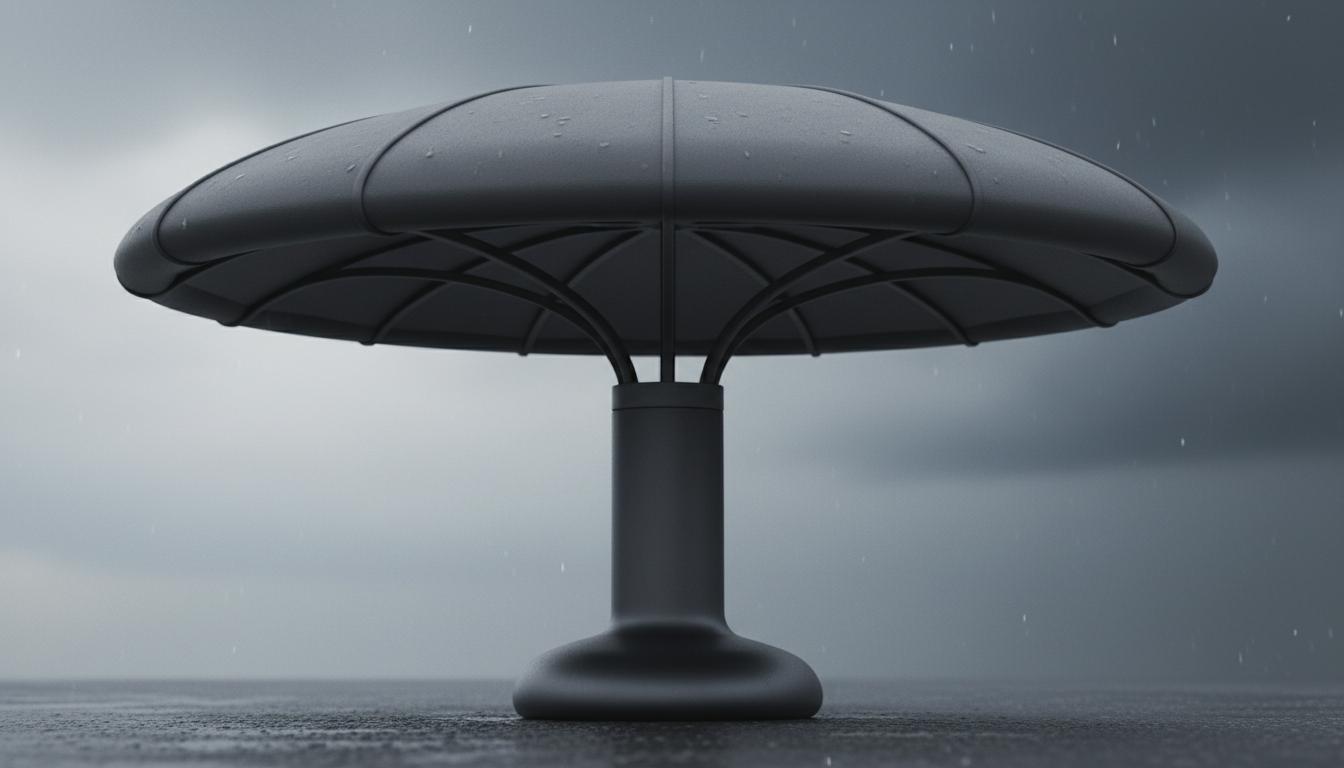
Blunt umbrella: The New Zealand-designed umbrella that stands up to wind and rain
New Zealand weather can turn from calm to gale in an hour. If you want an umbrella that survives coastal gusts, city squalls and daily commuting, a blunt umbrella is worth considering. In this article you will learn what a blunt umbrella is, how it works, the main types, the pros and cons, and how to choose the right one for life in New Zealand.
What is a blunt umbrella?
A blunt umbrella is any umbrella that uses a rounded tip design and a heavily tensioned canopy to reduce flapping and inversion in wind. The name also refers to a well-known New Zealand-designed brand that brought this approach to a wider market. Whatever the maker, blunt umbrella designs focus on strength, controlled shape and safety.
Unlike thin-point umbrellas that can flip inside out and poke people, a blunt umbrella’s tip is rounded and its frame spreads tension evenly across the canopy. The result is an umbrella that keeps its shape in stronger gusts and sheds water faster when you close it.
How it works
The effectiveness of a blunt umbrella comes from three simple ideas: geometry, tension and materials.
Geometry: The canopy is shaped to create smooth airflow over the surface. A slightly domed, taut canopy reduces sudden lift and wind catch that would otherwise invert the umbrella.
Tension: Instead of relying on a few ribs to hold the fabric, these umbrellas use radial tensioning so the fabric pulls evenly from the centre to the edge. That prevents weak points and large flaps of loose material.
Materials: Modern blunt umbrellas use flexible but strong ribs made from fiberglass, carbon fibre or reinforced steel, and fabrics treated for water repellence. The rounded tips are often reinforced to avoid poking hazards.
Together, these features mean the blunt umbrella tends to flex rather than break when hit by gusts. It is often heavier than a cheap collapsible umbrella, but that weight buys resilience.
Types / examples
Blunt umbrella designs come in several styles. Match the style to how you live in New Zealand—walking in Wellington’s winds is different to commuting in Auckland rain.
- Compact / Collapsible: Fold-down models that fit into a bag. Best for everyday commuting, but pick one with strong ribs if you face wind.
- Full-size / City: Larger canopies with longer shafts. Better coverage on footpaths and around public transport.
- Storm / Golf-style: Large, heavy canopies designed specifically for sustained wind and rain. Good for beaches or open spaces.
- Clear dome: Rounded, transparent canopies that protect from sideways rain while giving visibility. Popular for cycling or crowded streets.
- Automatic open/close: Convenience feature for quick shelter. Check the mechanism for durability before buying.
Below is a simple comparison to help you see how a blunt umbrella stacks up against common alternatives.
| Feature | Blunt umbrella | Traditional umbrella | Golf umbrella |
|---|---|---|---|
| Wind resistance | High — radial tensioning resists inversion | Low to medium — prone to flipping | Medium — large canopy but can catch wind |
| Durability | High — reinforced ribs and tips | Low — cheaper materials break faster | Medium to high — heavier frames |
| Weight | Medium — sturdier components add weight | Light — easy to carry | Heavy — large size and robust frame |
| Packability | Good (compact models available) | Excellent | Poor — large and bulky |
| Price (typical) | Medium to high | Low | Medium |
| Best for | Windy urban and coastal use | Light rain and occasional use | Group shelter and open fields |
Pros and cons
Pros
- Strong in wind: Designed to flex safely without inverting.
- Safer tips: Rounded ends reduce the risk of accidental injury.
- Longer lifespan: Better materials and tension systems mean fewer breaks.
- Better coverage: Taut canopies channel water away instead of flapping.
- Stylish and practical: Many designs are visually modern while being functional.
Cons
- Higher cost: Quality components and engineering raise the price.
- Weight and bulk: Stronger ribs add weight; some models are less packable.
- Repairs can be specialized: Not all hardware is easy to fix at home.
- Availability: Some models sell out or are sold through select retailers.
How to use or choose
Choosing the right blunt umbrella is about matching the umbrella to where you will use it most. Follow these steps to make a confident choice.
- Assess your daily conditions: Do you walk near the coast, cycle, or mostly sit on buses? Higher wind exposure means choose a stronger model.
- Decide on size: If you need quick packability, pick a compact blunt umbrella. For full coverage on foot, choose full-size or storm models.
- Check the frame material: Fiberglass and carbon fibre offer good flex and strength. Metal ribs can be strong but may bend permanently under stress.
- Inspect the canopy and tips: Look for a taut canopy and rounded tips. These are signs of the blunt design principles at work.
- Test opening/closing and warranty: Automatic open-close is handy but test the mechanism. Prefer a model with a warranty or local repair options.
Using your blunt umbrella correctly will extend its life. Follow these practical tips:
- Open and close away from people to avoid accidental hits with the rounded tip.
- Dry the canopy before storing to prevent mould and fabric degradation.
- Don’t force the frame back into shape; allow flexible ribs to snap gently into place if they bend.
- Clean the canopy with fresh water and a soft cloth; avoid harsh detergents.
Quick maintenance checklist
- Rinse salt spray off after coastal use.
- Tighten any loose ferrules or set screws if accessible.
- Repair small tears promptly with fabric adhesive to prevent spread.
- Store in a dry, ventilated space—avoid leaving it closed and wet in a bag.
FAQ
Is a blunt umbrella worth the extra money?
Yes, if you live somewhere windy or use an umbrella often. The higher price buys better materials and fewer replacements over time, which can be economical in a few seasons.
Can a blunt umbrella handle strong winds in New Zealand?
Blunt umbrellas perform much better than cheap alternatives in gusty conditions. No umbrella is completely windproof in severe gales, but a well-made blunt umbrella will flex instead of breaking or inverting during typical strong winds.
Are blunt umbrellas heavy to carry?
They are usually heavier than the cheapest compact umbrellas because of stronger ribs and reinforced tips. However, many compact blunt umbrella models balance strength and portability well.
How do I repair a bent rib?
Minor bends often snap back when the frame is opened and closed gently. For broken ribs, take the umbrella to a repair specialist or contact the manufacturer for replacement parts. Avoid using makeshift fixes that could damage the canopy.
Where can I buy a blunt umbrella in New Zealand?
Blunt-style umbrellas are sold through outdoor retailers, selected shops and online. Look for local stockists or the manufacturer’s site to check authorised sellers and warranty options.
Is a blunt umbrella suitable for travel?
Yes—choose a compact model with a travel sleeve. For long walking tours or beach days, a full-size blunt umbrella gives better coverage but will be bulkier.
Final thoughts
A blunt umbrella is a practical upgrade for New Zealanders who face wind and rain regularly. It combines thoughtful design with durable materials to give better protection and a longer life than many standard umbrellas. Weigh the trade-offs—cost versus longevity, weight versus strength—and choose the style that fits your commute, weather and lifestyle.
Make your next umbrella an investment in fewer wet days and fewer broken ribs. For windy cities, coastal towns and anyone who wants an umbrella that behaves when the weather turns, a blunt umbrella is a smart, sensible choice.