


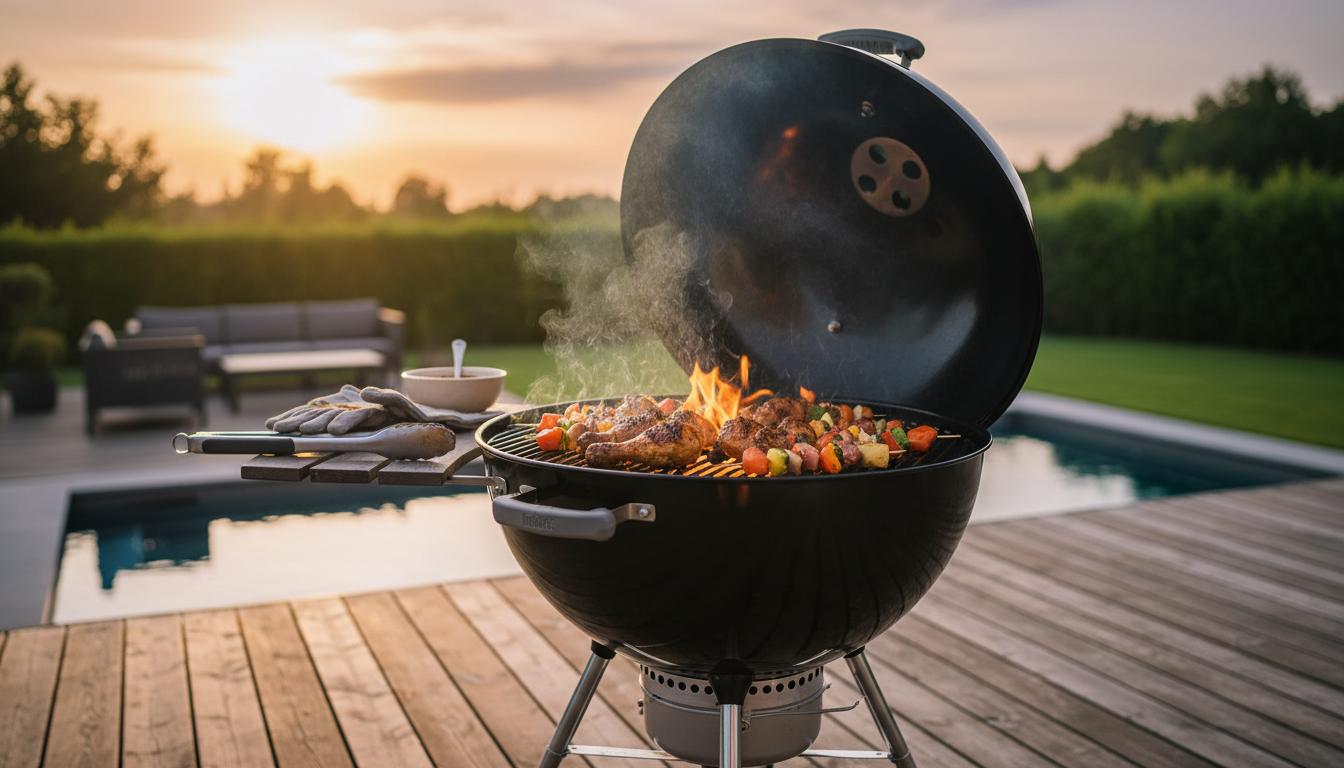
Weber BBQ in New Zealand: A Practical Guide to Models, Setup, and Smarter Grilling
If you’re looking at a Weber BBQ for your deck, balcony, or bach, you’re in good company. Weber is a fixture at Kiwi summer gatherings because it’s simple to use, built to last, and makes food taste the way it should—clean heat, proper sear, and real smoke when you want it. This guide explains what a Weber BBQ is, how each fuel type works, which models suit New Zealand conditions, and how to choose and use one with confidence.
What is
A Weber BBQ is a barbecue made by Weber-Stephen, the company behind the classic kettle grill invented in 1952 by George Stephen in Chicago. That buoy-shaped charcoal grill set the standard for lid-down cooking, vent control, and even heat. Today, Weber makes charcoal, gas, pellet, and electric barbecues, from tiny portable units to large outdoor kitchens. In New Zealand, the range is popular for its durability, consistent results, and strong dealer support.
When people say “weber bbq” here, they might mean the charcoal kettle, a Weber Q gas grill, a larger Spirit or Genesis, or even the SmokeFire pellet grill. All share the same core idea: cook with the lid down to trap heat and flavour, and use solid build quality to make that heat predictable.
How it works
Charcoal (Kettle)
Charcoal Weber BBQs rely on airflow. Open the bottom and top vents to feed the fire; close them to slow it. You create heat zones by placing fuel to one side (indirect) or under the food (direct). Lid-down cooking turns the grill into a small oven. For low-and-slow, you run a small, steady fire using methods like the “snake” around the edge of the charcoal grate. For pizzas and steaks, you open the vents and run it hot.
Gas (Weber Q, Spirit, Genesis)
Gas Weber BBQs burn LPG (9 kg bottles are common in NZ) or, on some models, natural gas via a licensed gasfitter. Burners heat the cooking grates and flavourizer bars, which vaporise drippings for extra flavour and help prevent flare-ups. Preheating with the lid down is essential. Weber Q models are compact and efficient; Spirit and Genesis add more burners, space, and features.
Pellet (SmokeFire)
Pellet Weber BBQs feed wood pellets from a hopper into a firepot using an auger. A controller holds your target temperature, from low smoking to hot roasting. You get real wood smoke without managing a charcoal fire. They need mains power and dry pellets.
Electric (Pulse)
Electric Weber BBQs heat a heavy grate with a powered element. They’re useful for apartments where gas or solid fuel is restricted. You still cook lid down, and you still preheat. They need a suitable outdoor power point and care around moisture.
Types / examples
Charcoal
- Original Kettle: Affordable entry to charcoal, great for grilling and roasts.
- Master-Touch: Adds features like better ash control, hinged grates, and accessory support for slow cooking.
- Go-Anywhere: Portable charcoal grill for picnics and camping.
Gas
- Weber Q (Baby Q, Q, Family Q): Compact, efficient, and popular across NZ. Suits small patios to family meals.
- Spirit: Mid-size, multiple burners, storage, and even heat for weeknight dinners.
- Genesis: Larger cooking area, advanced features like sear zones and optional rotisserie.
Pellet
- SmokeFire: Wood-fired versatility—smoke, roast, and sear with digital control.
Electric
- Pulse: Plug-in grilling with precise temperature control for areas with fuel restrictions.
Quick comparison
| Model line | Fuel | Cooking style | Size range | Portability | Wind resilience | Best for | Learning curve |
|---|---|---|---|---|---|---|---|
| Original Kettle / Master-Touch | Charcoal | Grill, roast, low-and-slow | Small to large | Moderate (wheeled) | Good with lid down; vents matter | Authentic charcoal flavour, weekend cooks | Medium (vent and fuel management) |
| Weber Q (Baby Q / Q / Family Q) | LPG / Natural gas (selected) | Grill and roast | Compact to family-size | High (Baby Q portable) | Very good; efficient lid-down design | Everyday cooking, balconies, camping | Low (simple controls) |
| Spirit | LPG / Natural gas (selected) | Grill, roast, multi-zone | Medium | Low (cart-based) | Very good | Families and frequent use | Low |
| Genesis | LPG / Natural gas (selected) | High-heat sear, rotisserie, multi-zone | Large | Low | Very good | Entertaining, larger households | Low |
| SmokeFire | Wood pellets + power | Smoke, roast, high-heat sear | Medium to large | Low | Good; needs dry pellets | Set-and-forget wood cooking | Low (digital control) |
| Pulse | Electric | Grill and roast | Compact | Moderate | Good with lid down | Fuel-restricted spaces | Low |
Pros and cons
Advantages of a Weber BBQ
- Consistent heat with lid-down design that suits windy NZ conditions.
- Durable materials and long warranties (often 5–12 years on key parts, model dependent).
- Wide accessory range: rotisserie, pizza stones, griddles, thermometers.
- Strong dealer network in New Zealand for parts and service.
- Efficient fuel use, especially on Weber Q gas models.
Limitations to consider
- Higher upfront cost than many no-name grills.
- Charcoal requires more practice and time to light and manage.
- Pellet and electric models need power and dry storage for fuel.
- Some compact gas models have limited burner zones and no side burner.
How to use or choose
Step-by-step: Lighting a Weber kettle (charcoal)
- Open top and bottom vents fully.
- Fill a chimney starter with quality briquettes or lump charcoal.
- Place two natural firelighters on the charcoal grate, light them, and set the chimney above.
- Wait 15–20 minutes until the top coals are ashed over.
- Pour the hot coals onto the charcoal grate. For two zones, bank to one side.
- Set the cooking grate, lid on, and preheat 5–10 minutes.
- Adjust vents to hit target temperature: wider for hot, narrower for low-and-slow.
Step-by-step: Preheating and cooking on a Weber Q (gas)
- Check your LPG connection on the 9 kg bottle and confirm the valve is open.
- Ignite the burner with lid open, then close the lid.
- Preheat on high for 10–15 minutes until the thermometer (if fitted) shows grilling temp.
- Brush the grates and oil the food, not the grill.
- Cook with the lid down. Use timing and doneness checks rather than peeking.
- For roasting, use a trivet and convection trays or an indirect setup.
- Turn to medium or low for delicate foods; rest meat before serving.
Choosing the right weber bbq for NZ conditions
- Space: Small balcony or townhouse? The Weber Q range fits tight spaces and has tidy grease management.
- Fuel rules: Apartments and some body corps restrict charcoal or gas. Electric can solve this, but always check building rules.
- Cooking style:
- Love steaks, snags, and weeknight dinners? Weber Q or Spirit.
- Low-and-slow brisket and ribs? Kettle or SmokeFire pellet.
- Pizza nights and whole roasts? Kettle with a pizza stone or Genesis with a sear zone.
- Portability: Camping or the bach? Baby Q or Go-Anywhere. Both pack small and run efficiently.
- Weather: Windy Wellington balcony? A lid-down gas Weber BBQ holds temp better than many open grills.
- Maintenance: Gas is quickest to clean. Charcoal needs ash disposal. Pellet grills need hopper and auger care.
- Fuel access: LPG bottles are easy to swap at service stations and hardware stores around NZ. Keep a spare 9 kg for long weekends.
Accessories worth adding
- Cover: Protects against coastal air and rain, extending life.
- Chimney starter and heatproof gloves: Safe, fast charcoal lighting.
- Instant-read thermometer or Weber’s smart probe: Reliable doneness, less guesswork.
- Trivet and roasting rack: Turn a Weber Q into a small oven.
- Pizza stone: Crispy bases on both gas and charcoal Weber BBQs.
- Cleaning brush and drip trays: Keep the grill safe and ready.
FAQ
Is a Weber BBQ worth it for New Zealand homes?
Yes if you value consistent results, local support, and longevity. The lid-down design suits our variable weather, and parts and accessories are easy to source here.
Which weber bbq is best for a small balcony?
A Weber Q (Baby Q or Q) is compact, efficient, and tidy. Always check your building’s rules and ensure proper ventilation. If gas or charcoal is restricted, consider an electric model.
Can I connect a Weber BBQ to natural gas in NZ?
Selected Spirit and Genesis models have natural gas variants. Connection must be done by a licensed gasfitter under NZ regulations. Do not attempt DIY conversions.
Do I really need to cook with the lid down?
On a Weber BBQ, yes. The lid traps heat for even cooking, reduces flare-ups, and speeds preheat. It also helps in windy conditions common across NZ.
How do I clean a Weber Q after cooking?
- Run the grill on high with the lid down for 10 minutes to burn off residue.
- Brush the grates while warm.
- Empty and replace the drip tray as needed.
- Wipe the inside surfaces when cool; avoid harsh chemicals on enamel.
What charcoal should I use in a kettle?
Use quality briquettes for consistent burns and longer cooks, or lump charcoal for hotter, shorter grilling. Store in a dry place to avoid damp issues.
How much charcoal for low-and-slow?
Start with a half chimney lit and a “snake” of unlit briquettes around the edge of the charcoal grate. Add wood chunks for smoke. Adjust vents to hold the target temperature.
Can I use a Weber BBQ during a fire ban?
Rules vary. Gas and electric are usually permitted in more situations than solid fuel, but always check current local fire restrictions before using charcoal outdoors.
What about cooking in winter or windy weather?
- Preheat longer and keep the lid down.
- Position the barbecue with its back to the wind or use a natural windbreak.
- For gas, check your 9 kg bottle level before starting.
How long do Weber BBQs last?
With a cover and basic maintenance, many Kiwis use the same Weber BBQ for years. Enamel and stainless parts hold up well to NZ’s coastal air, and parts are replaceable.
Can I bake or roast on a Weber Q or kettle?
Yes. On a Weber Q, use a trivet and convection trays to create indirect heat. On a kettle, bank the coals to the sides and place food in the centre. Lid down, steady temperature, and you’re effectively using an outdoor oven.
Final tips for better results
- Preheat properly. Most issues with sticking or pale sears come from a cool grill.
- Oil the food, not the grates, to reduce flare-ups and keep seasoning intact.
- Use a thermometer. Guessing is how you overcook steaks and undercook chicken.
- Rest your meat. Five minutes does wonders for juiciness.
- Keep spare fuel. A second 9 kg LPG bottle or extra briquettes saves the day on long weekends.
A well-chosen weber bbq turns weeknight dinners and summer feasts into something easy and repeatable. Pick the fuel and size that fit your space and style, master lid-down cooking, and enjoy better food—any night of the week, anywhere in New Zealand.