


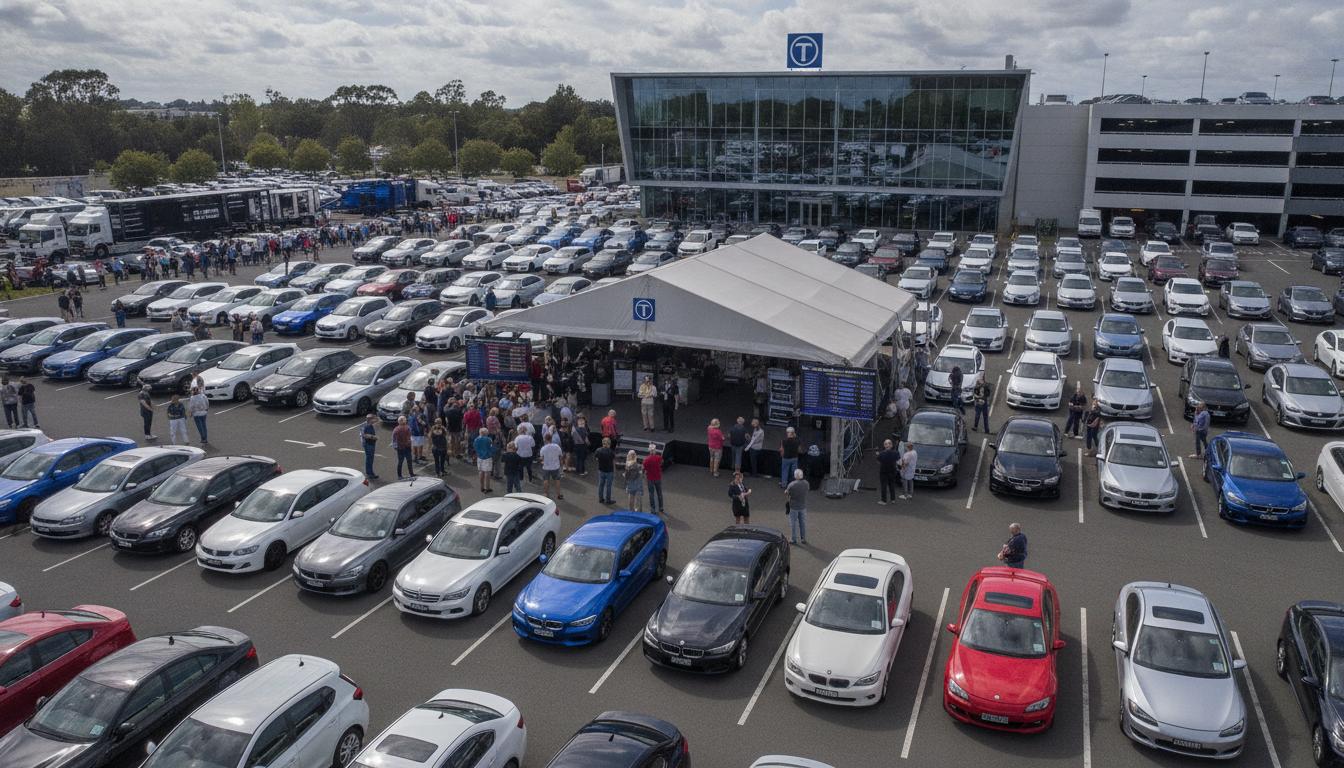
Turners Auctions: A Practical Guide for Kiwis Buying and Selling Vehicles
Turners Auctions is a familiar name across New Zealand. Whether you call it Turners Auctions or Turners Cars, it’s the country’s biggest vehicle marketplace, combining live auctions, fixed-price “Buy Now” listings, and nationwide branches with online bidding. If you want a sharp deal on a car, ute, motorbike, truck, boat, or even a damaged vehicle for parts, this guide walks you through how turners auctions work, what to expect, and how to get the best result.
Below you’ll find a clear rundown of the process, auction types, real-world pros and cons, a step-by-step buyer checklist, and answers to common questions New Zealanders ask before they raise a paddle or bid on Turners Live.
What is
Turners Auctions (often branded as Turners Cars) is New Zealand’s largest used-vehicle seller and auction house. With branches in major centres such as Auckland, Hamilton, Tauranga, Wellington, Christchurch, and Dunedin—and an online platform called Turners Live—it runs regular vehicle auctions and hosts fixed-price listings. You’ll see everything from tidy daily drivers and ex-lease vehicles to commercial trucks, boats, motorbikes, and insurance or finance recovery stock.
Unlike private sales, turners auctions combine open-market bidding with on-site services like finance options, change-of-ownership processing, and transport assistance. Many buyers value the selection and transparency; sellers like the speed and exposure to a national audience.
How it works
Buying at Turners Auctions
As a buyer, you can bid on-site in a branch or online via Turners Live. Each vehicle listing shows photos, basic condition notes, and key details such as odometer, fuel type, and whether it has a current WOF or registration. On auction day, the auctioneer takes bids and the vehicle sells to the highest bidder if the reserve is met. If not, you can often negotiate after the auction.
On top of the hammer price, a buyer’s fee and any applicable admin charges are added. Payment is made within the timeframe set out in the listing or branch terms. Once you pay, you can arrange pickup or delivery, and the branch can process the NZTA change of ownership. For vehicles without a current WOF/REGO—or damaged vehicles—you’ll need to plan transport accordingly.
Selling through Turners
Sellers can book an appraisal at a local branch. Turners will recommend an auction or a fixed-price strategy based on the vehicle type and market demand. You can set a reserve for auctions. Turners handles the marketing, runs the sale, collects payment, and settles the proceeds to you minus fees.
Costs and paperwork
- Buyer’s fee: A fee added to the hammer or sale price. It varies by category and sale type.
- On-road costs: If the vehicle needs a WOF, registration, or compliance work, budget for that.
- Finance and insurance: Finance may be available to approved applicants; insurance and warranty options can be arranged.
- PPSR and checks: Always review the PPSR status and any available inspection or condition reports before bidding.
Types / examples
Turners Auctions runs multiple sale formats and vehicle categories, each suited to different buyers and budgets.
Main vehicle categories
- Cars and SUVs: Daily drivers, ex-lease vehicles, first-car options, family wagons.
- Utes and vans: Tradie-ready utes, courier vans, people movers, commercial vehicles.
- Trucks and machinery: Light trucks, heavy vehicles, trailers, plant, and equipment.
- Motorbikes and scooters: Commuters, tourers, learner bikes (LAMS), and classics.
- Boats and marine: Trailer boats, jet skis, outboards, and marine gear.
- Damaged and salvage: Insurance write-offs and repairable vehicles sold “as is.”
- Finance recovery and repossessed stock: Vehicles recovered by lenders and resold.
- Fleet and government: Ex-government, ex-lease, and company vehicles.
Sale formats you’ll see at Turners Auctions
- On-site live auctions: Traditional in-branch auctions with an auctioneer and preview yard.
- Turners Live online auctions: Bid in real time from home with live audio and updates.
- Buy Now fixed price: Skip the auction by paying a listed price immediately.
- Tender or timed sales: Common for trucks, machinery, or damaged vehicles.
Comparison: Which Turners Auctions format suits you?
| Option | How it works | Best for | Price discovery | Inspection | Speed to purchase | Typical risk |
|---|---|---|---|---|---|---|
| On-site live auction | Bid in person at a branch at a set time | Buyers who want to see the vehicle up close and feel the auction pace | Transparent, competitive bidding | Yard viewing before the auction | Fast once the hammer drops | As-is purchase; emotional bidding |
| Turners Live online auction | Real-time online bidding with live updates | Out-of-town buyers or time-poor shoppers | Transparent, with remote convenience | Photos, reports; optional pre-auction viewing | Fast; pay and arrange transport | Inspection limited to listing info if not viewed |
| Buy Now fixed price | Immediate purchase at a listed price | Buyers who want certainty and no bidding | Set price; no auction pressure | Usually available to view on-site | Immediate once paid | May pay more than auction bargain |
| Tender/timed sale | Submit bids by a deadline; highest wins if reserve met | Trucks, machinery, and damaged vehicles | Less public bidding; sealed offers | Viewing windows often offered | Deadline-driven | Harder to read competing demand |
Pros and cons
Advantages of using Turners Auctions
- Huge selection nationwide across many categories.
- Transparent market pricing through public bidding.
- Online convenience with Turners Live; bid from anywhere in NZ.
- On-site services: change of ownership, finance options, and transport help.
- Potential savings compared with retail dealer pricing.
Potential downsides
- Most vehicles are sold “as is, where is,” especially at auction.
- Buyer’s fees and on-road costs add to the total price.
- Test drives are usually not offered for auction vehicles.
- Bidding can be competitive; it’s easy to blow past your limit.
- Damaged or repairable vehicles require extra due diligence and transport planning.
How to use or choose
Step-by-step: How to buy at Turners Auctions
- Set a budget: Include the hammer price, buyer’s fee, transport, on-road costs, and a repair buffer.
- Create an account: Register on Turners Live or at your local branch for bidding.
- Shortlist vehicles: Use filters for location, category, transmission, fuel type, and WOF/REGO status.
- Do your homework: Check listing details, photos, and any condition or history info. Run a PPSR check if needed.
- Inspect in person: Visit the yard before the auction where possible; look for leaks, rust, tyre condition, and panel gaps.
- Set a max bid: Decide a walk-away number and stick to it to avoid auction fever.
- Bid smart: Bid confidently on-site or via Turners Live. Watch for whether the reserve is met.
- Win and pay: If successful, settle within the stated timeframe. Confirm the buyer’s fee and accepted payment methods.
- Paperwork: Complete change of ownership; confirm WOF/REGO, plates, and any compliance requirements.
- Pickup or transport: Arrange collection, delivery, or towing for unroadworthy vehicles.
Choosing the right format for you
- If you want the lowest possible price and can inspect in person: On-site auction.
- If you live outside the region or want convenience: Turners Live online auction.
- If you need a car fast with no bidding stress: Buy Now fixed price.
- If you’re trade or buying specialist stock (trucks, machinery, salvage): Tender or timed sale.
Due diligence checklist
- WOF and REGO: Check expiry dates; factor in costs if lapsed.
- PPSR status: Ensure there’s no security interest owing on the vehicle.
- Service history: Look for receipts, stamps, and consistent odometer readings.
- Mechanical condition: Cold-start the engine if allowed; listen for knocks, check smoke, inspect fluids.
- Body and frame: Check for accident signs, rust, and overspray; measure tyre wear.
- Electrics and features: Test windows, AC, lights, infotainment, and safety systems where possible.
- Test drive: Usually not available for auction vehicles; for Buy Now stock, ask the branch.
- Damaged/salvage: Understand repair costs, certification steps, and transport requirements.
Budgeting and fees
- Hammer price plus buyer’s fee: Know the fee schedule for your category.
- On-road costs: WOF, registration, and potential compliance or re-registration for imports or damaged units.
- Transport: Towing or delivery if the vehicle isn’t road legal or is purchased out of town.
- Inspection costs: Independent checks can save you money later.
- Repairs and maintenance: Keep a buffer for tyres, brakes, servicing, or unexpected fixes.
- Insurance and finance: Factor repayments and premiums into your total cost of ownership.
FAQ
What is Turners Live, and can I bid from anywhere?
Turners Live is the online platform for turners auctions. You can bid in real time from anywhere in New Zealand with an internet connection. Create an account, verify your details, and you’re set.
Are vehicles inspected or warrantied?
Most auction vehicles are sold “as is.” Listings often include condition notes and photos, but they are not a substitute for your own checks. Some fixed-price vehicles may have inspection reports or optional warranties available—ask the branch for specifics.
Can I test drive an auction vehicle?
Typically, no. Auction vehicles are usually available for static inspection only. You can often test drive Buy Now vehicles—confirm with the branch.
What fees will I pay as a buyer?
Expect a buyer’s fee added to the final sale or hammer price, plus any admin charges. On-road costs (WOF, registration, plates) may also apply if the vehicle isn’t currently road legal.
How do I pay, and how quickly?
Branches accept common payment methods such as bank transfer and EFTPOS; some may accept credit cards with surcharges. Settlement timeframes are stated in the listing or branch terms—pay promptly to avoid storage charges or cancellation.
Is finance available at Turners Auctions?
Finance may be available to approved applicants. You can often get a pre-approval to set your bidding limit. Ask the branch or apply online before the auction to speed things up.
What’s the difference between Buy Now and auction?
Buy Now lets you purchase immediately at a fixed price. Auction sales are competitive and may produce a lower (or sometimes higher) price depending on demand. Choose based on your budget, timing, and comfort with bidding.
What about damaged or repairable vehicles?
Damaged and salvage vehicles are sold “as is” and may not be road legal. Budget for towing, repairs, certification, and compliance. These listings can be great for parts or skilled repairers, but they require careful due diligence.
Can Turners handle the change of ownership?
Yes. Turners can process the NZTA change of ownership at the branch once you’ve completed the purchase, saving you a trip elsewhere.
What happens if the reserve isn’t met?
If the reserve isn’t met during bidding, you can usually negotiate with Turners staff after the auction. Many sales are finalised this way at turners auctions.
Do I need to be in the same city to buy?
No. Many Kiwis buy remotely via Turners Live and arrange transport. Just make sure you do thorough checks, request extra photos if needed, and factor delivery into your budget.
Any tips to avoid overbidding?
Decide your walk-away price before the auction, include all fees in that number, and stick to it. If the bidding goes past your cap, let it go—another vehicle will come along.
Final thoughts
Turners Auctions gives New Zealanders a broad, transparent marketplace for vehicles of almost every type. If you prepare well—inspect carefully, budget realistically, and choose the right sale format—you can buy or sell with confidence and avoid common pitfalls. Whether you’re hunting a bargain commuter, a work-ready ute, or a project boat, turners auctions offer scale, speed, and choice that’s hard to match.